
Content Marketing Strategy for SEO & GEO
When the internet first appeared, nobody could predict how dramatically it would change the world.
Today, almost everything around us is connected to the internet in some way.
This massive digital transformation also changed marketing forever.
Modern businesses no longer compete only through products or pricing. They compete through content, visibility, trust, authority, and now AI discoverability.
In 2026, successful content marketing is no longer only about SEO.
Brands now need content optimized for both:
• Traditional search engines
• AI powered search systems
This means modern content strategies must combine:
• SEO
• Semantic SEO
• GEO optimization
• AI readability
• Entity SEO
• E-E-A-T signals
• Information Gain
In this guide, you will learn how to create a complete content marketing strategy for both SEO and GEO optimization.
What Is Content Marketing?
Content marketing is the process of creating and distributing valuable content designed to:
• Increase brand awareness
• Attract audiences
• Generate leads
• Build trust
• Improve SEO visibility
• Drive sales
Content can include:
• Blog posts
• Videos
• Podcasts
• Social media posts
• Infographics
• Case studies
• Whitepapers
• Webinars
• Email campaigns
The internet made content marketing easier than ever.
However, that also created a major problem:
Everyone is publishing content.
Because competition is extremely high, businesses now need strong content strategies instead of randomly posting articles or videos.
Why Content Marketing Is Important for SEO and GEO
Content is now the foundation of both SEO and GEO.
SEO Content Goals
Traditional SEO content helps websites:
• Rank on Google
• Increase organic traffic
• Build backlinks
• Improve keyword visibility
GEO Content Goals
GEO content helps AI systems such as:
• ChatGPT
• Gemini
• Perplexity
• Copilot
understand, trust, summarize, and cite your content inside AI generated answers.
Modern content marketing must optimize for both.
What Is GEO (Generative Engine Optimization)?
GEO stands for Generative Engine Optimization.
GEO is the process of optimizing content so AI systems can easily:
• Read your content
• Understand semantic meaning
• Extract key information
• Cite your website as a trusted source
Unlike traditional SEO, which mainly focuses on search rankings, GEO focuses on AI visibility.
As AI search continues growing rapidly in 2026, GEO optimization is becoming essential for modern content marketing.
Step 1: Understand Your Product from the User’s Perspective
One of the biggest mistakes marketers make is viewing products from their own perspective instead of the customer’s perspective.
Good content marketing begins with understanding:
• Customer pain points
• User problems
• Search intent
• Emotional motivations
• Desired outcomes
You must analyze your product deeply and understand:
• Why users need it
• What benefits it provides
• What frustrations it solves
Without this understanding, your content will feel generic and unconvincing.
Step 2: Understand Your Target Audience
The next step is understanding your target audience.
Not every product is designed for everyone.
You need to identify:
• Age groups
• Interests
• Search behavior
• Problems they want solved
• Preferred platforms
• Content preferences
This process is often called creating buyer personas.
Understanding your audience helps determine:
• Writing style
• Tone of voice
• Content formats
• Platform selection
• GEO optimization strategies
Audience Research Tools
Useful audience research tools include:
• Google Analytics
• Facebook Audience Insights
• Reddit communities
• Perplexity AI
• SparkToro
• YouTube comments
• TikTok search suggestions
Modern GEO optimization also requires understanding conversational search behavior.
Step 3: Research the Best Content Formats
Different audiences prefer different content types.
Some audiences prefer:
• Videos
• Long form articles
• Podcasts
• Infographics
• Social media posts
• Short form content
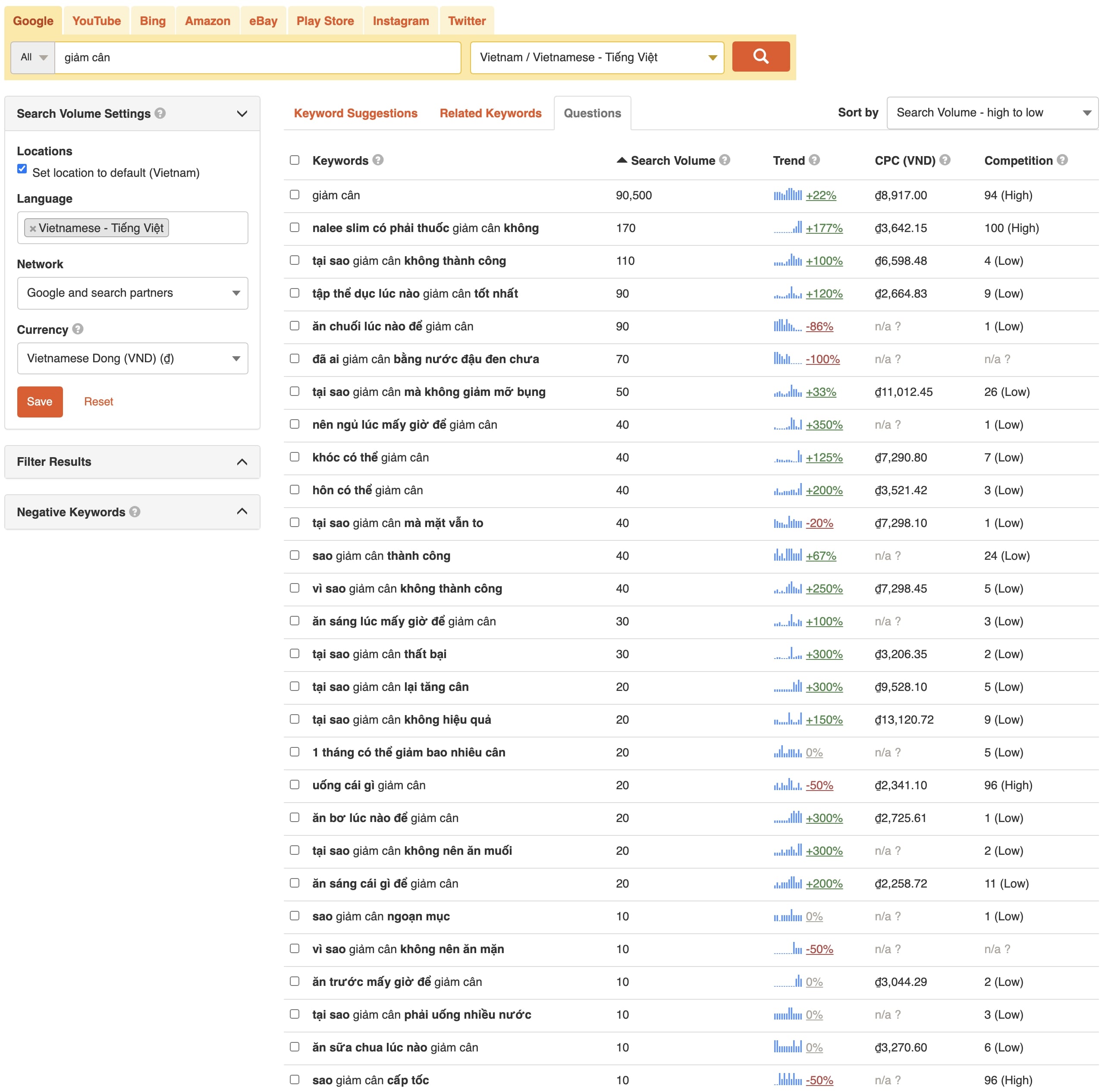
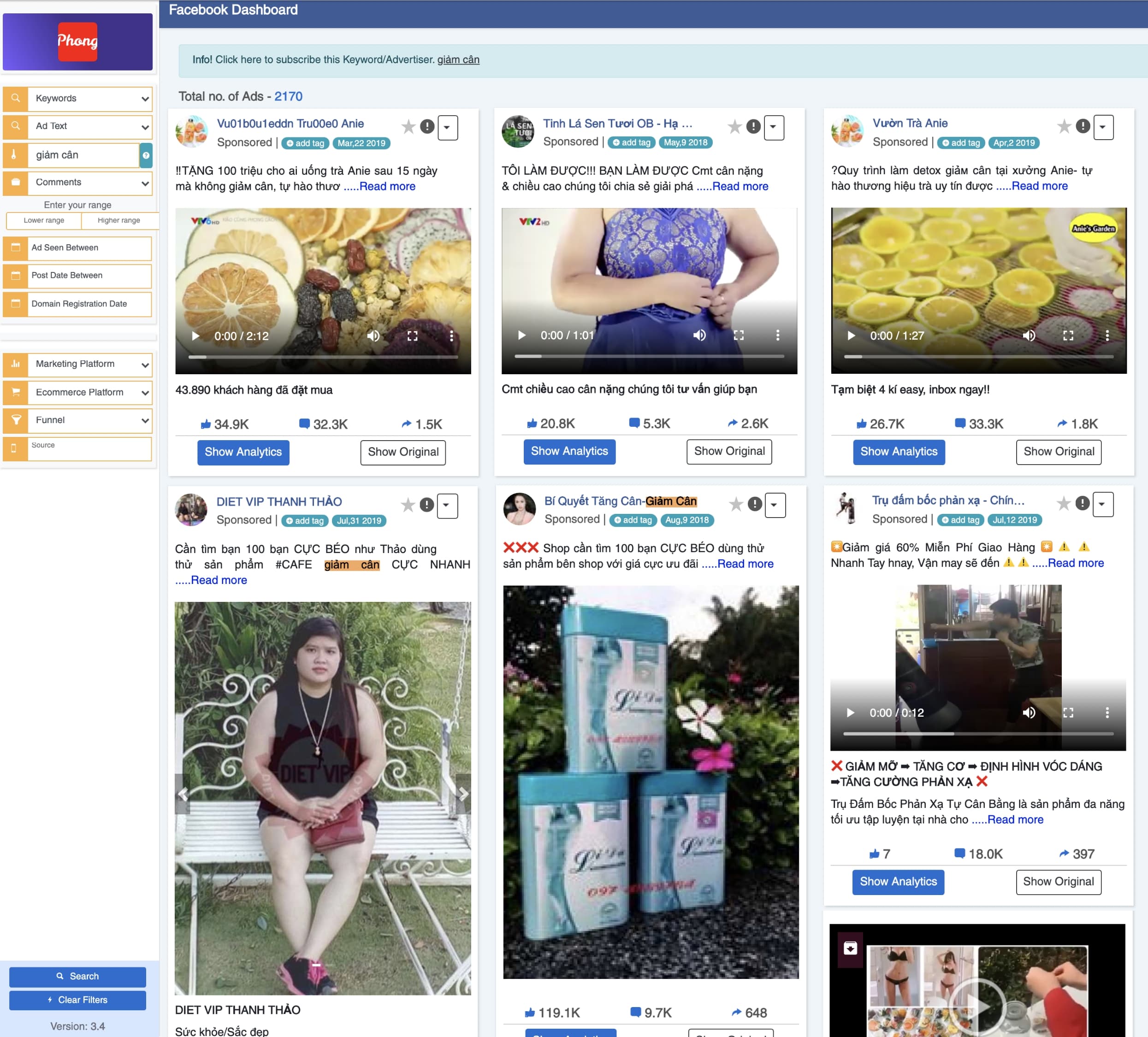
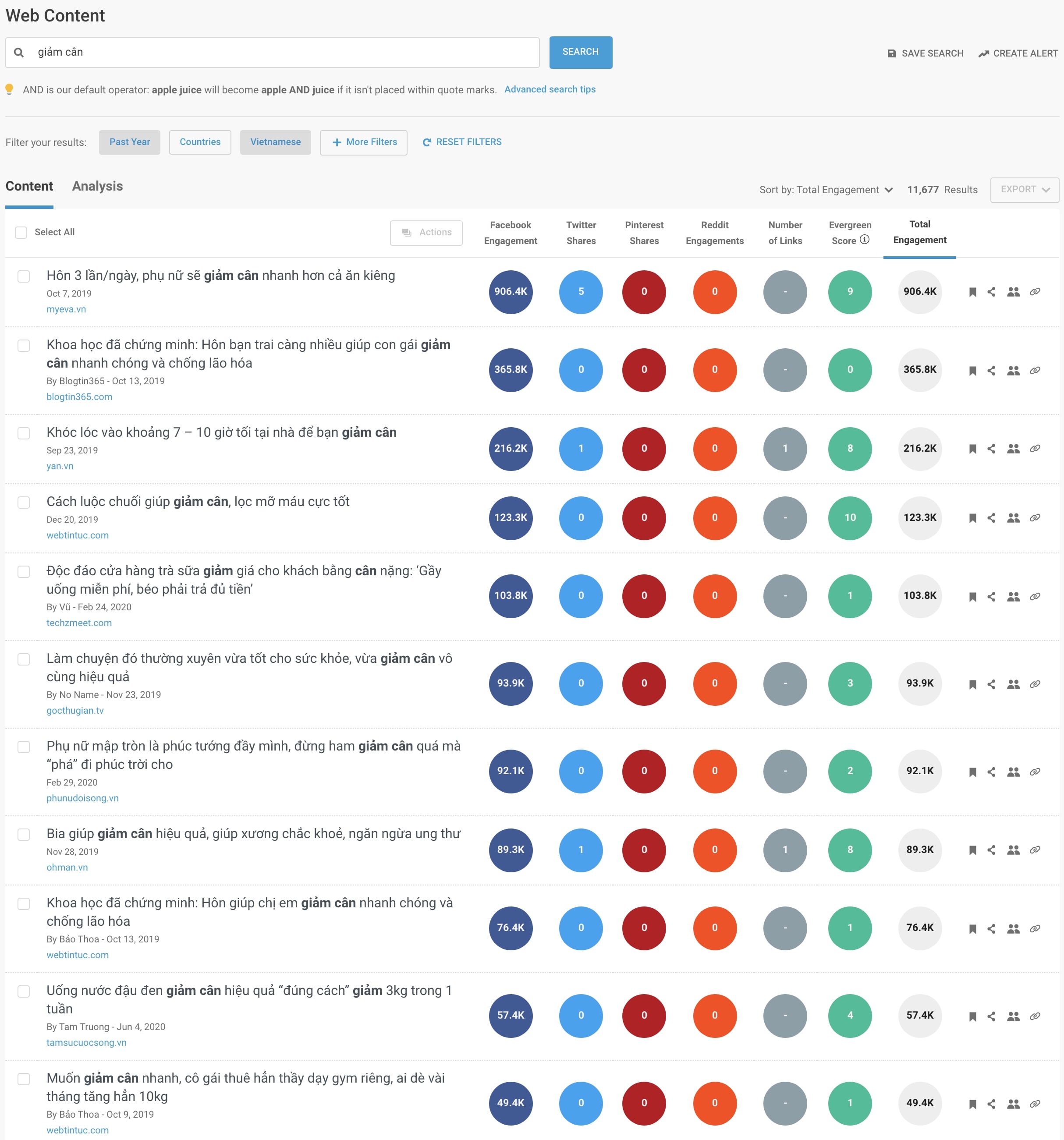
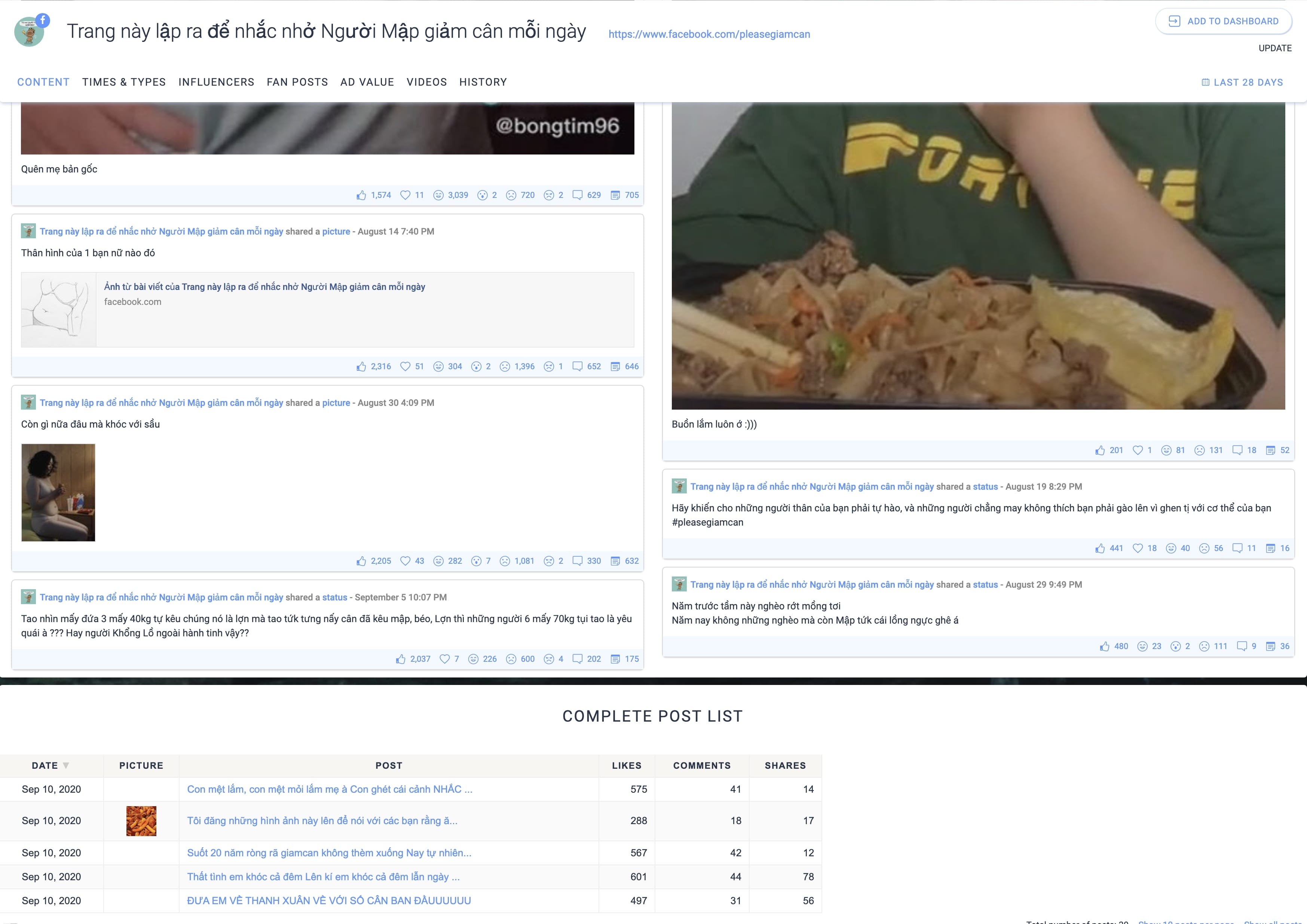
You should analyze competitors to understand:
• Which content performs best
• Which topics generate engagement
• Which platforms work best
• Which content formats attract backlinks
Competitor analysis remains one of the fastest ways to discover successful content strategies.

Step 4: Set Clear SEO and GEO Goals
Many businesses create content without measurable goals.
That usually leads to poor results.
Modern content marketing should define clear KPIs such as:
• Organic traffic
• Search rankings
• AI citations
• Backlinks
• Engagement
• Lead generation
• Conversion rates
• Brand mentions
For GEO optimization, additional goals may include:
• AI visibility
• AI answer citations
• Entity recognition
• Semantic authority
• AI search impressions
Important Content Marketing KPIs
Reach
Measures how many users discover your content.
Engagement
Measures:
• Time on page
• Bounce rate
• Social shares
• Comments
• Click behavior
Conversions
Measures:
• Leads
• Sales
• Email signups
• Downloads
GEO Visibility
Measures:
• AI citations
• AI discoverability
• Brand mentions in AI systems
Step 5: Use SEO and GEO Research Tools
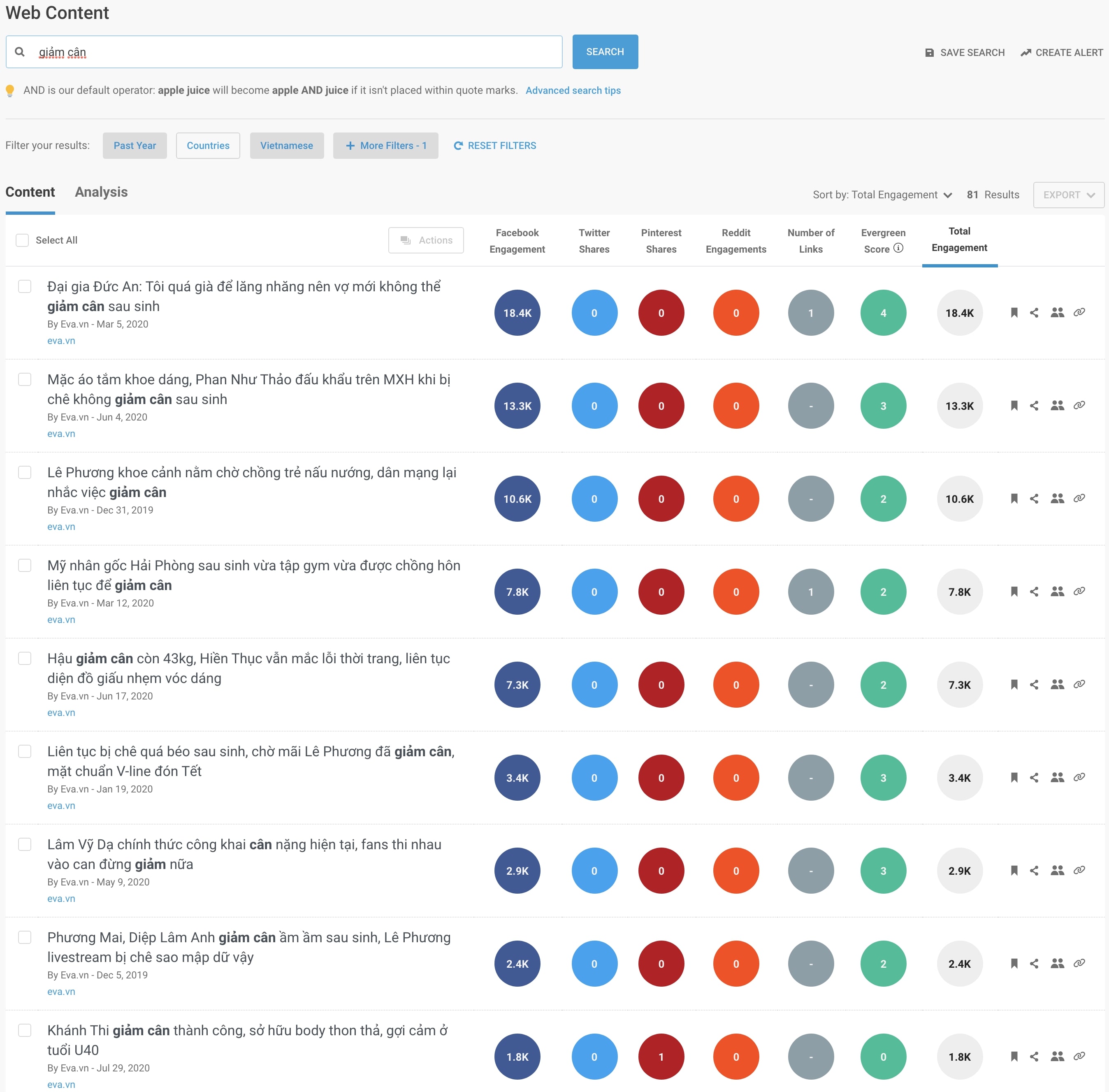
Modern content marketing relies heavily on data and research tools.
SEO Research Tools
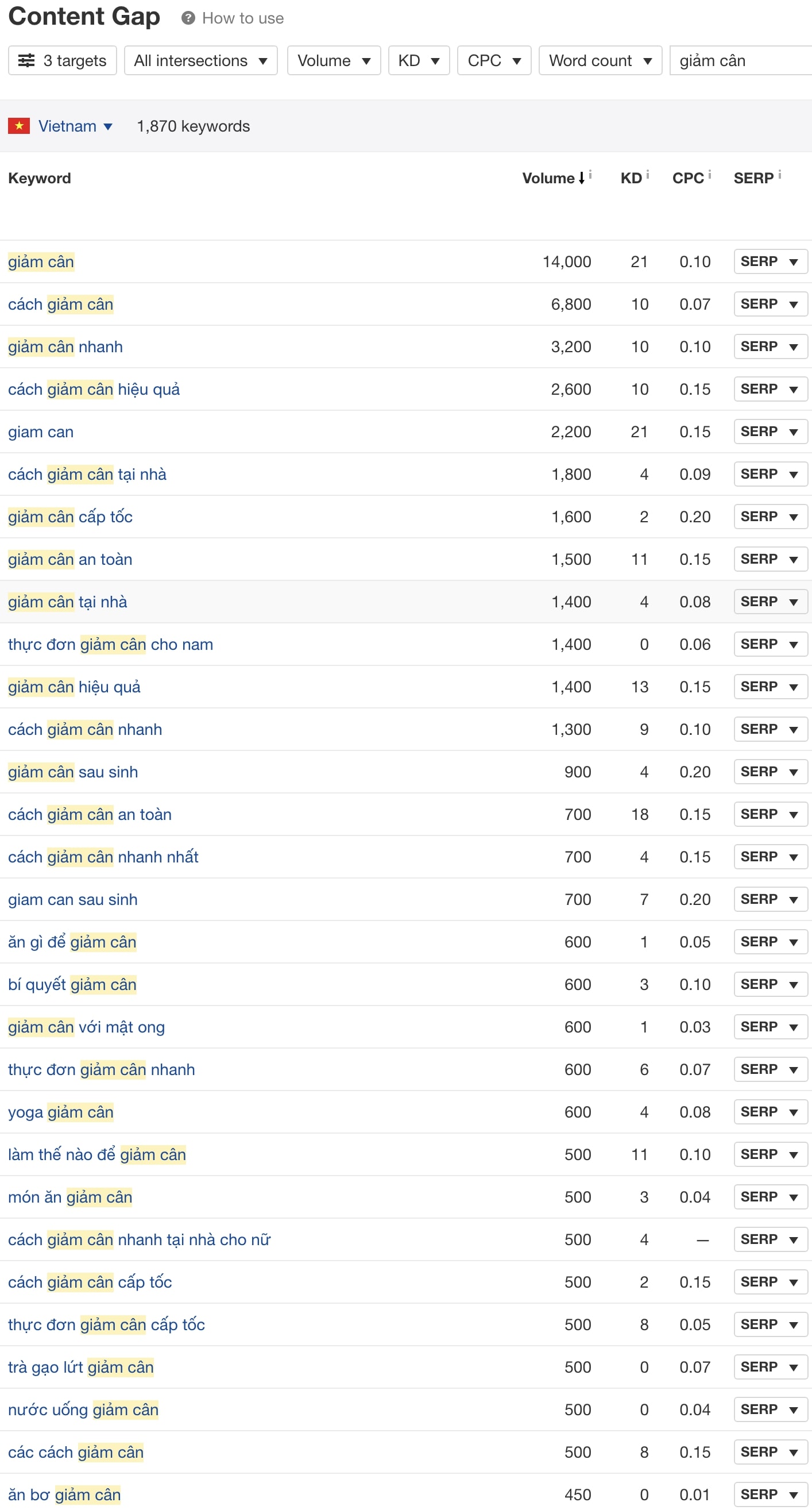
Ahrefs
Useful for:
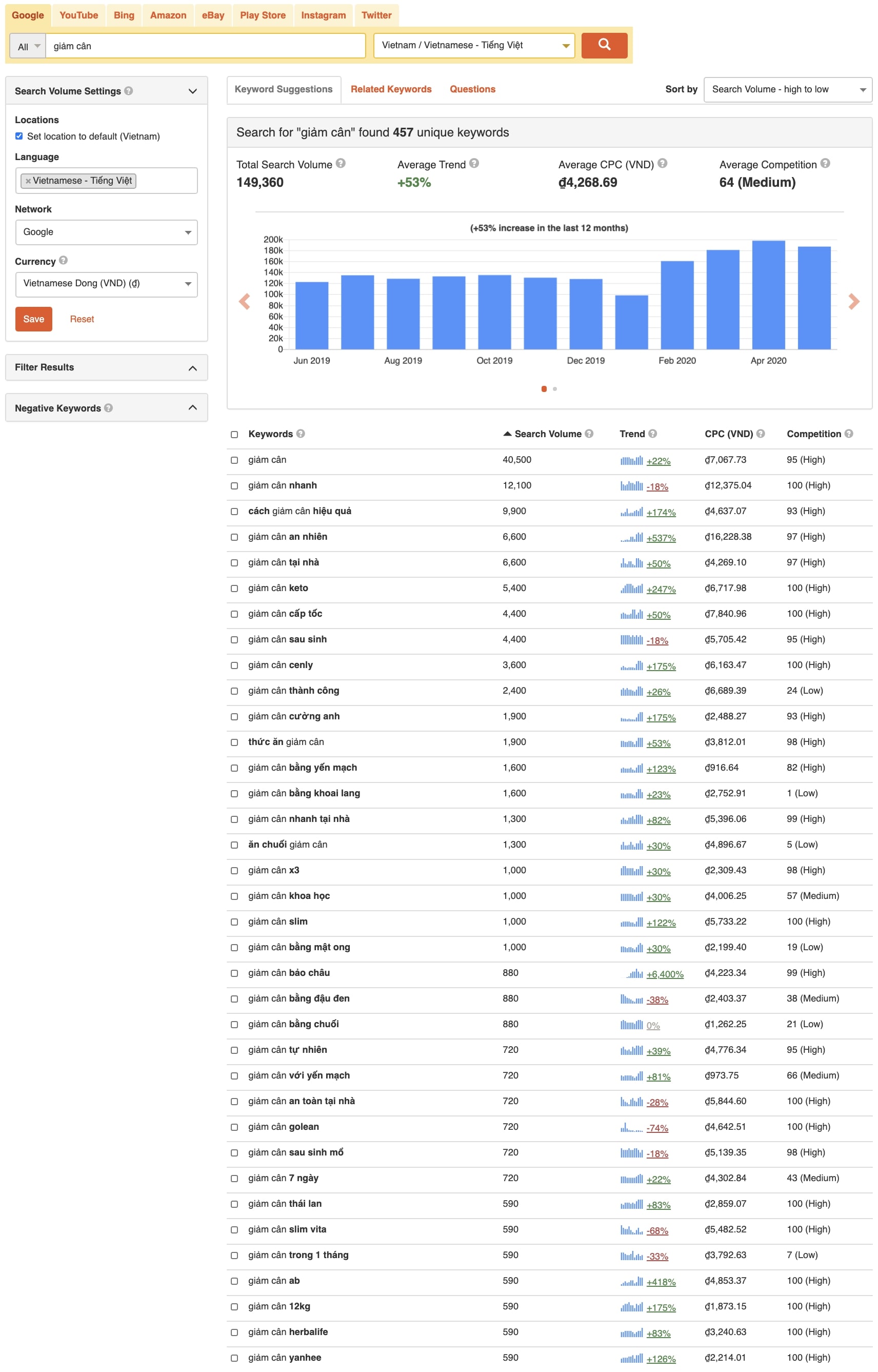
• Keyword research
• Content Gap analysis
• Backlink analysis
• Competitor research
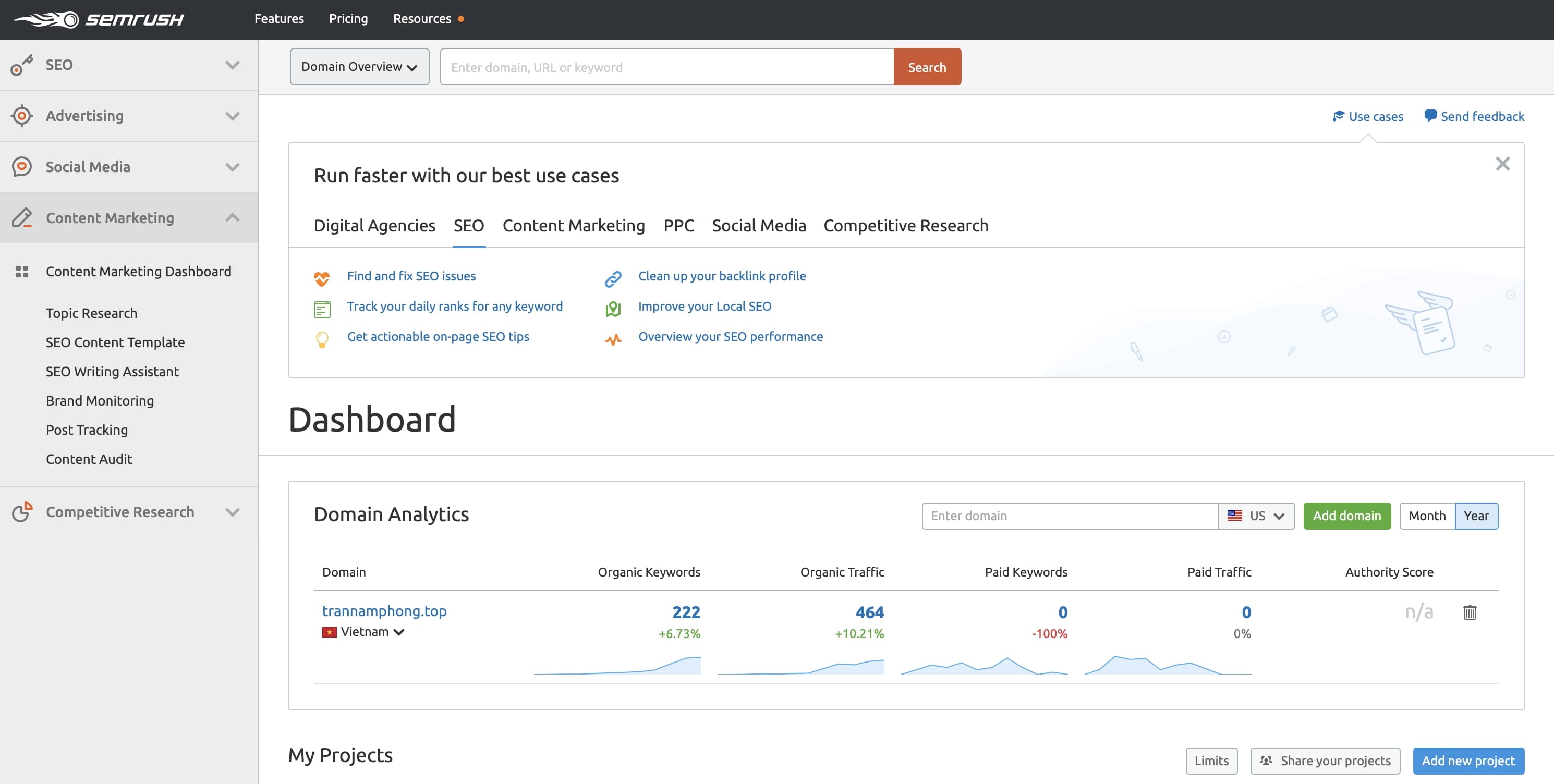
SEMrush
Useful for:
• Topic research
• SEO content templates
• Advertising research
• Content marketing analysis
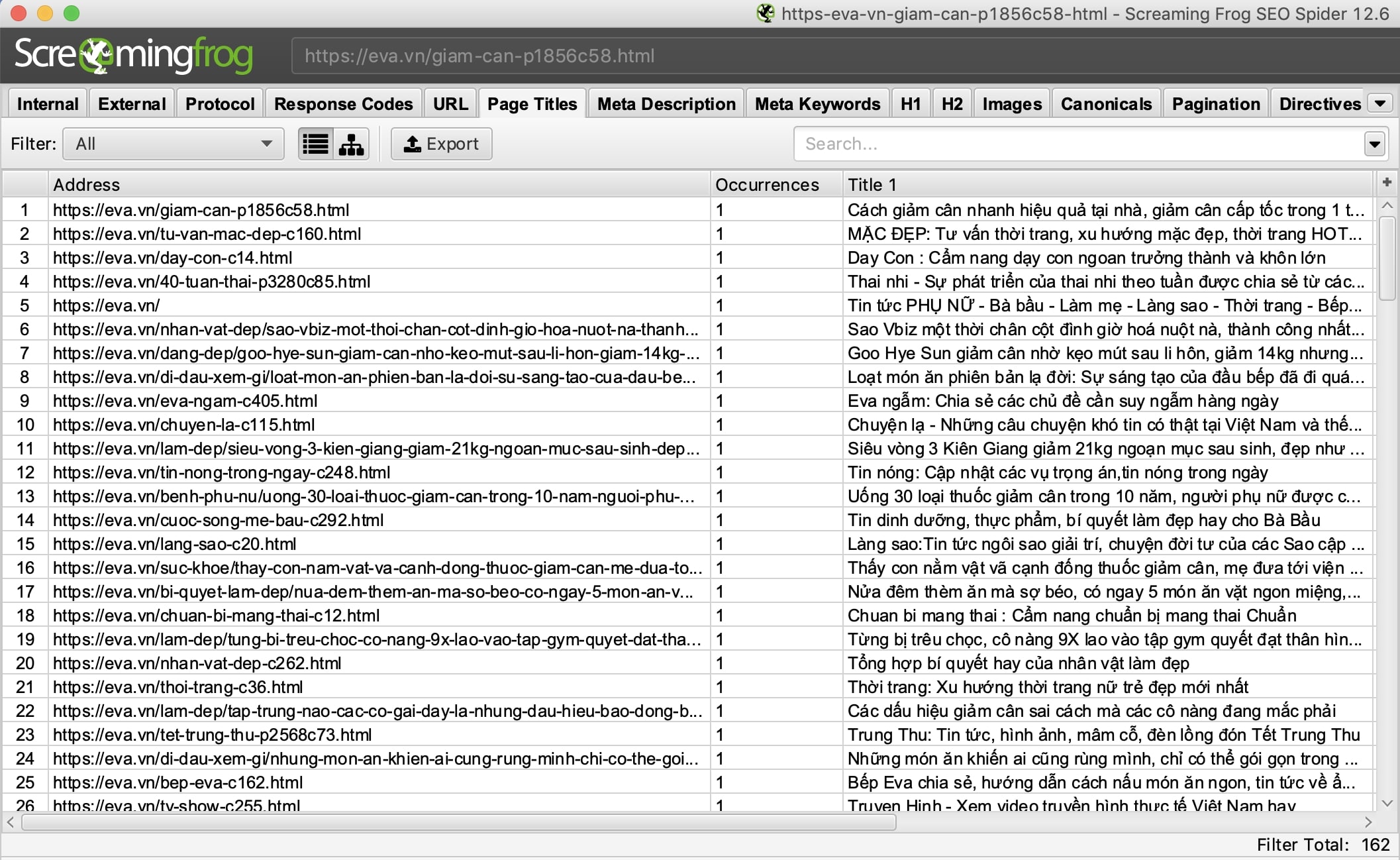
Screaming Frog
Useful for:
• Content audits
• Duplicate content detection
• Technical SEO analysis
• Website crawling
GEO Optimization Tools
Modern AI search optimization requires additional tools.
Perplexity AI
Useful for analyzing:
• AI generated answers
• Citation patterns
• Trusted AI sources
• Conversational search intent
Frase.io
Useful for:
• AI friendly content briefs
• FAQ optimization
• Semantic SEO
• GEO optimization
MarketMuse
Useful for:
• Topic authority
• Semantic depth
• Content gap analysis
Clearscope
Useful for:
• NLP optimization
• Semantic relevance
• Content completeness
AlsoAsked
Useful for:
• Question based SEO
• Conversational intent mapping
• GEO optimization
Step 6: Create Content for SEO and GEO
Modern content should satisfy both:
• Human readers
• AI systems
Best Content Types for SEO and GEO
Popular content formats include:
• Blog posts
• Videos
• Podcasts
• Infographics
• Ebooks
• Whitepapers
• Case studies
• FAQ pages
• Social media content
• Interactive tools
AI systems particularly prefer:
• Structured content
• FAQ sections
• Clear headings
• Short paragraphs
• Semantic organization
Step 7: Optimize Content for GEO and AI Visibility
To increase the chances of AI systems citing your content, use GEO optimization techniques.
Use E-E-A-T Signals
Content should demonstrate:
• Experience
• Expertise
• Authoritativeness
• Trustworthiness
Include:
• Author bios
• Real case studies
• Practical examples
• Original insights
Optimize Content Structure
AI systems prefer content with:
• H1 headings
• H2 sections
• FAQ blocks
• Lists
• Tables
• Structured formatting
This improves AI readability and summarization.
Add Schema Markup
Use schema types such as:
• Article schema
• FAQ schema
• Author schema
• Organization schema
• Product schema
Schema helps AI systems understand entities and relationships more clearly.
Use Information Gain
Do not simply rewrite competitor content.
Instead, add:
• Unique research
• Original data
• Case studies
• New perspectives
• Practical workflows
AI systems prefer content that provides information unavailable elsewhere.
Step 8: Analyze Social Media and Audience Behavior
Social media analysis helps discover:
• Viral topics
• User reactions
• Emotional triggers
• Content trends
Useful tools include:
• BuzzSumo
• Facebook Ad Library
• TikTok Creative Center
• YouTube analytics
• Social listening tools
Understanding audience behavior improves both SEO and GEO strategies.
Step 9: Create Content Production Workflows
Successful content marketing requires consistent production systems.
You should define:
• Who creates content
• Which tools are used
• Editorial processes
• Publishing workflows
• Optimization checklists
Many teams now use:
• Notion AI
• Monica.im
• Grammarly
• Hemingway Editor
• PageOptimizer Pro
• SurferSEO
to improve content quality and workflow efficiency.
Step 10: Measure SEO and GEO Results
Content marketing is never fully finished.
You must continuously monitor:
• Rankings
• Traffic
• Engagement
• Backlinks
• AI visibility
• Conversions
• Semantic authority
Useful tracking tools include:
• Google Analytics
• Google Search Console
• Ahrefs
• SEMrush
• BuzzSumo
• Perplexity AI monitoring
Monitoring AI citations is becoming increasingly important for GEO optimization.
How to Get Displayed in AI Search Results
One of the biggest goals of GEO optimization is appearing inside AI generated answers.
To improve AI visibility:
Answer Questions Clearly
AI systems prefer concise, direct answers.
Use FAQ Sections
FAQ content is highly AI friendly.
Build Topical Authority
Publish multiple high quality articles around related topics.
Use Semantic SEO
Focus on entities and context instead of keyword stuffing.
Improve Brand Authority
AI systems trust recognized brands more easily.
Build Backlinks and Mentions
Authority signals help AI systems trust your website.
Create Structured Content
Well organized content is easier for AI systems to summarize and cite.
Final Thoughts
Content marketing in 2026 is no longer only about publishing articles or videos.
Modern content strategies now combine:
• SEO
• Semantic SEO
• GEO optimization
• AI visibility
• Entity SEO
• E-E-A-T
• Information Gain
The future of content marketing belongs to websites that can successfully optimize for both:
• Google Search
• AI powered search systems
Businesses that adapt early to GEO optimization may gain significant advantages as AI increasingly changes how users discover information online.