SEO Services, GEO Optimization & SEO Pricing
Search engine optimization has changed dramatically over the last few years. Traditional SEO is no longer only about ranking keywords on Google. Modern SEO now combines semantic optimization, AI search visibility, technical SEO, content strategy, user experience, and GEO optimization for AI systems such as ChatGPT, Gemini, Perplexity, and Copilot.
Because search engines and AI platforms continue evolving rapidly, businesses today need more advanced SEO strategies than ever before.
This article explains:
• Modern SEO services
• SEO process step by step
• SEO pricing in 2026
• GEO optimization
• Semantic SEO
• How to choose an effective SEO company
• Why many SEO campaigns fail
• What modern SEO agencies actually do
What Are SEO Services?
SEO services are professional services designed to improve a website’s visibility in search engines and AI powered search systems.
The main goal of SEO is to help websites:
• Increase organic traffic
• Improve keyword rankings
• Generate leads
• Build brand authority
• Increase conversions
• Improve visibility in AI generated answers
Professional SEO services are commonly provided by:
• SEO agencies
• Freelance SEO specialists
• Digital marketing companies
• Content marketing teams
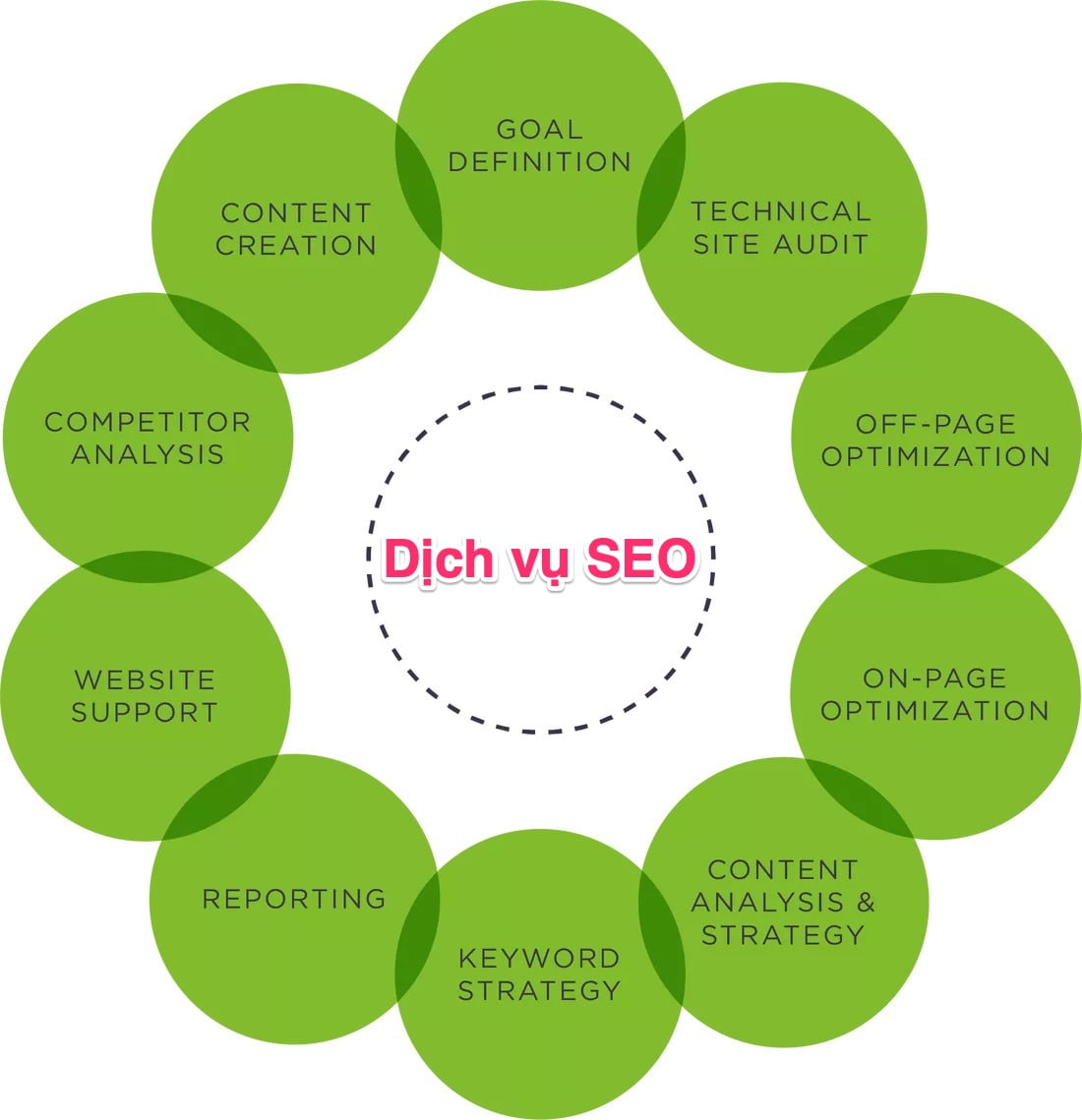
Modern SEO campaigns usually combine technical optimization, semantic SEO, content creation, GEO optimization, and authority building.
Why SEO Is Still Important in 2026
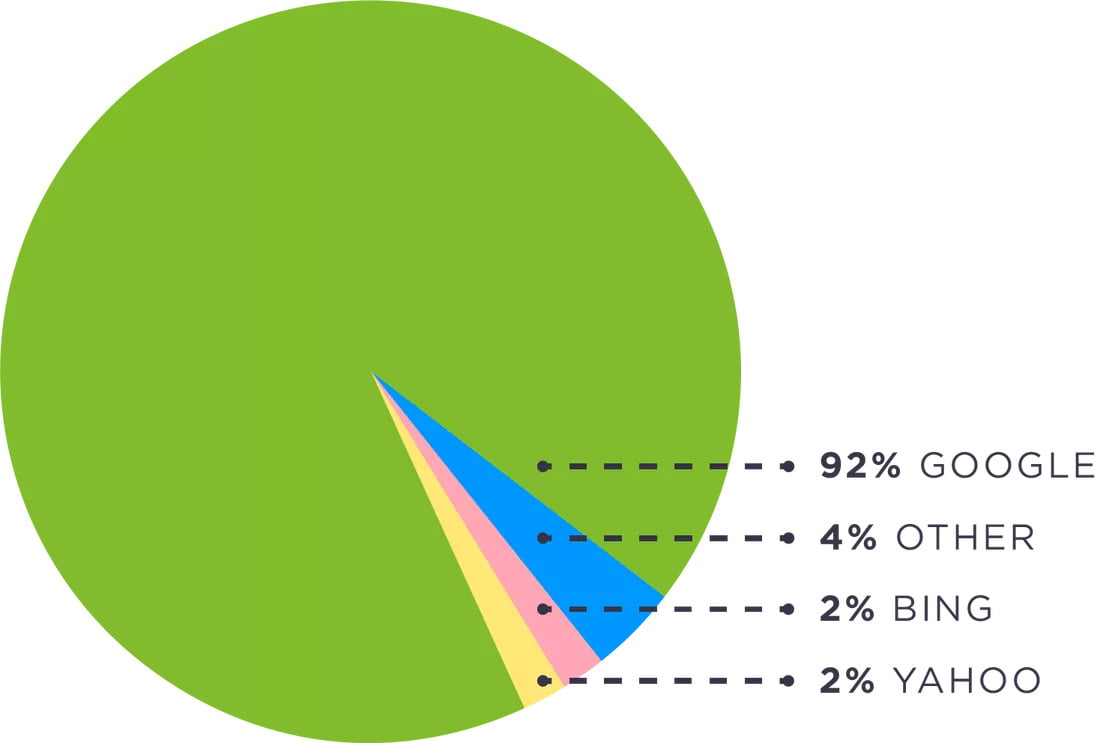
Despite the rise of AI tools, Google Search remains one of the largest traffic sources on the internet.
Millions of users still search daily for:
• Products
• Services
• Tutorials
• Reviews
• Local businesses
• Solutions to problems
At the same time, AI search systems are becoming new discovery channels.
This means businesses now need visibility in both:
• Traditional search engines
• AI generated search experiences
SEO remains one of the highest ROI digital marketing channels available.
Modern SEO Is No Longer Only About Keywords
Older SEO strategies focused heavily on:
• Exact match keywords
• Backlinks
• Meta tags
• Link quantity
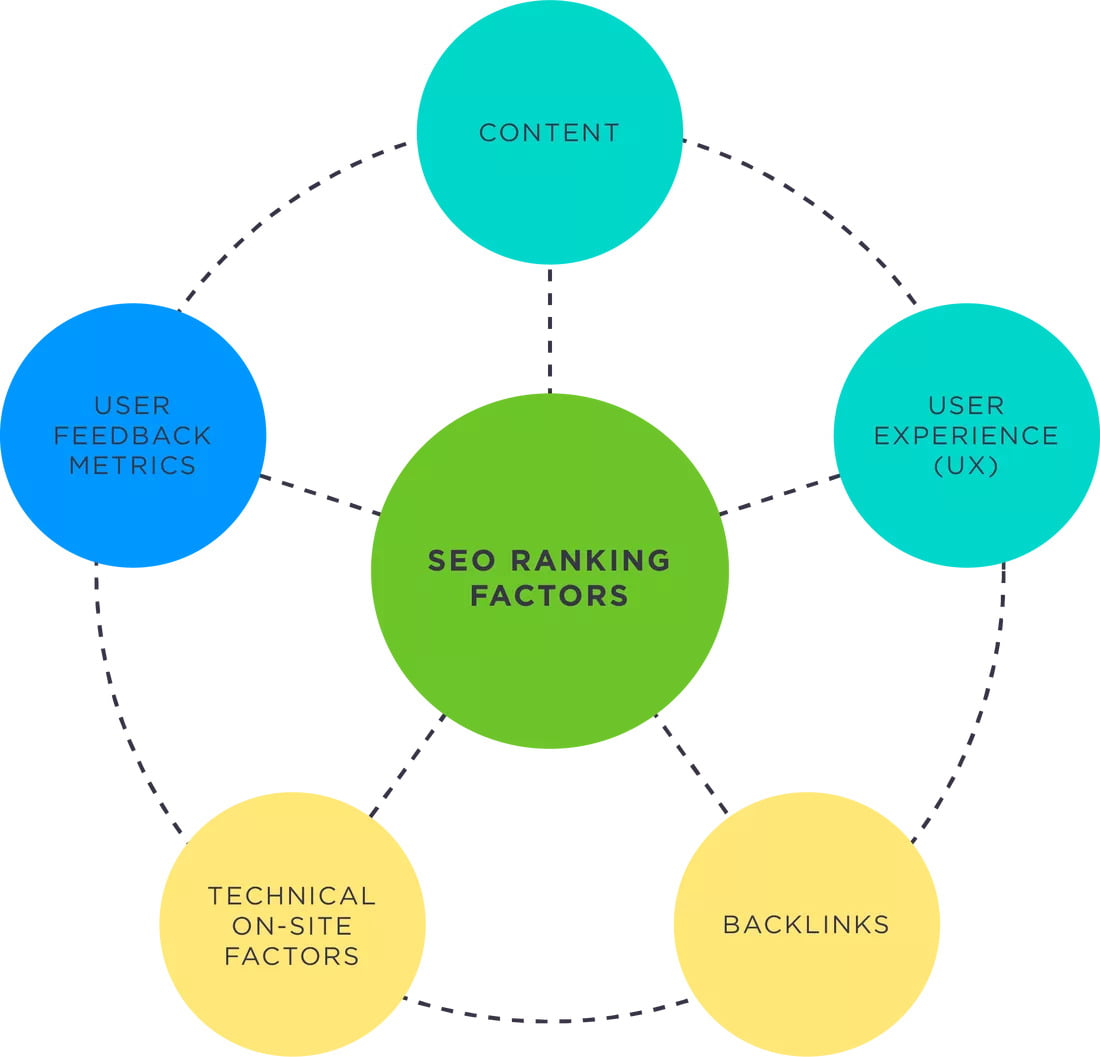
Modern SEO now focuses much more on:
• Search intent
• Semantic relevance
• E-E-A-T
• Entity SEO
• User experience
• Topical authority
• Structured data
• GEO optimization
Search engines and AI systems are becoming much better at understanding context and content quality.
What Is GEO (Generative Engine Optimization)?
GEO stands for Generative Engine Optimization.
GEO is the process of optimizing content so AI systems such as:
• ChatGPT
• Gemini
• Perplexity
• Copilot
can easily:
• Understand your content
• Trust your information
• Summarize your pages
• Cite your brand in AI generated answers
Unlike traditional SEO, which mainly focuses on Google rankings, GEO focuses on AI visibility and AI citations.
GEO vs Traditional SEO
| Feature | Traditional SEO | GEO |
|---|---|---|
| Goal | Rank on Google | Be cited by AI |
| Focus | Keywords & backlinks | Context & entities |
| Platform | Google Search | ChatGPT, Gemini |
| Output | Search result links | AI generated answers |
| Optimization | SERP rankings | AI trust & summaries |
SEO helps websites become discoverable.
GEO helps AI systems trust and reference websites.
Why GEO Matters for Businesses in 2026
Search behavior is changing rapidly.
Users increasingly ask AI assistants directly instead of clicking through multiple websites.
This creates several major shifts:
Reduced Organic Traffic
AI generated answers may reduce clicks from traditional search results.
AI Citations Become Trust Signals
When AI systems cite a website or brand, users often treat that information as highly trustworthy.
Faster Information Consumption
Users prefer summarized answers instead of browsing dozens of pages.
Businesses that optimize for GEO early may gain significant competitive advantages.
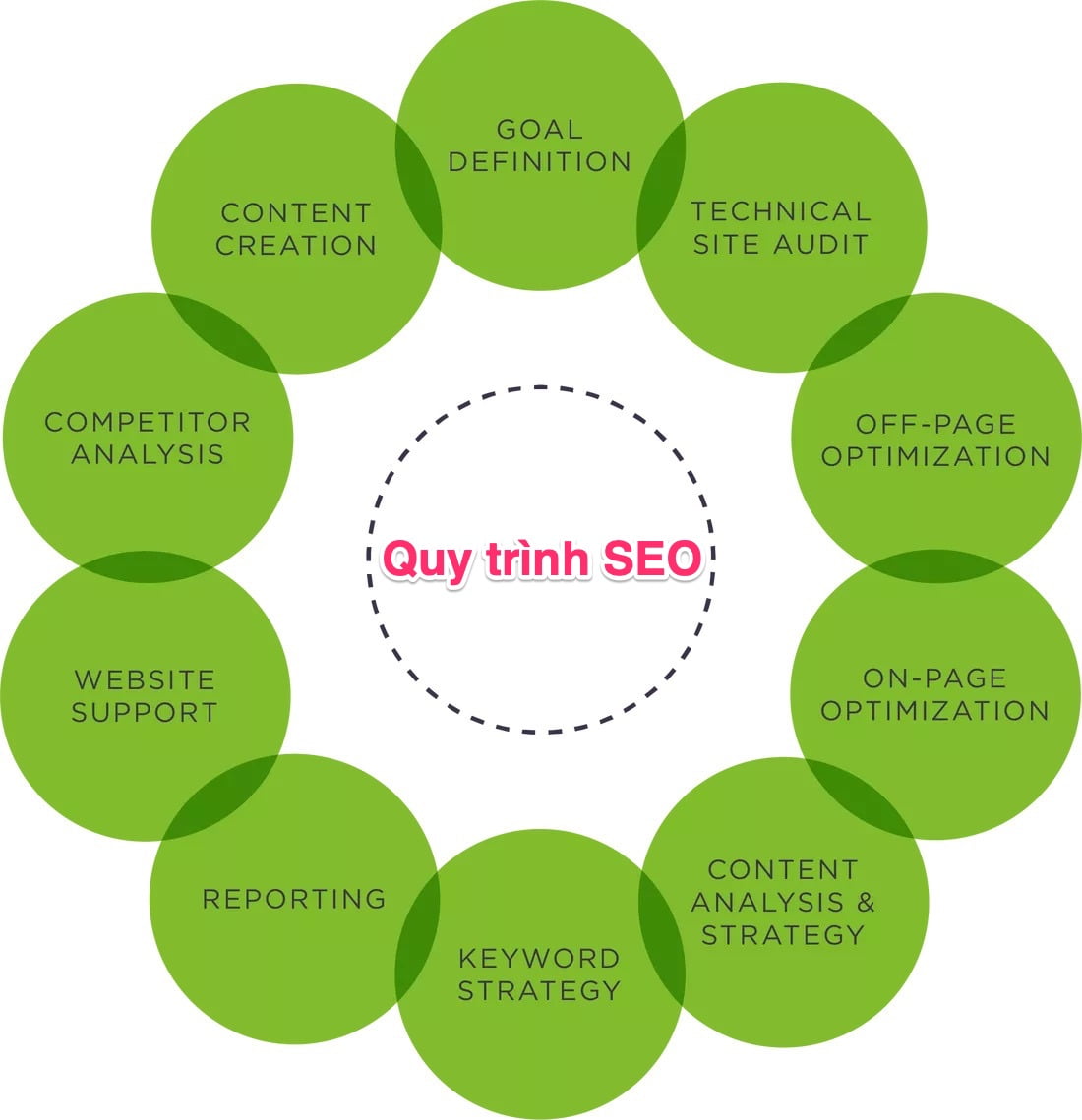
SEO Process Step by Step
Professional SEO campaigns usually follow structured workflows.
Step 1: SEO Audit
The first step is auditing the website.
SEO audits identify problems such as:
• Crawl errors
• Broken links
• Duplicate content
• Slow pages
• Technical SEO issues
• Weak metadata
• Mobile usability problems
Without proper audits, SEO campaigns often fail.
Step 2: Keyword Research
Keyword research helps identify:
• Search volume
• Competition
• User intent
• Semantic keyword opportunities
Modern keyword research also includes:
• NLP entities
• Topical clusters
• Question based keywords
• AI search intent
The goal is not only traffic but also relevance and conversions.
Step 3: Competitor Analysis
SEO agencies analyze competitors to understand:
• Ranking strategies
• Backlink profiles
• Content structures
• Semantic coverage
• Internal linking systems
Competitor analysis helps identify gaps and opportunities.
Step 4: Technical SEO Optimization
Technical SEO improves website infrastructure.
This includes:
• Core Web Vitals
• Website speed
• Schema markup
• Crawlability
• Indexability
• Mobile optimization
• XML sitemaps
• Internal linking
Technical SEO creates the foundation for successful rankings.
Step 5: Content Strategy and Semantic SEO
Modern SEO heavily depends on high quality content.
Content strategies now focus on:
• Search intent
• Topic clusters
• Semantic relevance
• Information gain
• Topical authority
AI generated content alone is usually not enough.
Content still requires:
• Human editing
• Unique insights
• Real expertise
• Practical examples
Step 6: GEO Optimization
Modern SEO agencies now optimize content for AI systems.
Important GEO techniques include:
• E-E-A-T optimization
• Structured headings
• FAQ sections
• Schema markup
• Entity optimization
• Information Gain
• Clear semantic structures
These techniques improve AI readability and AI citation potential.
Step 7: Link Building
Backlinks remain important ranking signals.
However, modern SEO focuses more on:
• Relevant backlinks
• High authority websites
• Natural link acquisition
• Brand mentions
• Digital PR
Quality matters much more than quantity.
Step 8: Reporting and Optimization
SEO requires continuous optimization.
Agencies typically monitor:
• Rankings
• Organic traffic
• Conversions
• Click through rates
• User engagement
• AI visibility
• Crawl health
SEO is a long term process, not a one time setup.
SEO Pricing in 2026
SEO pricing depends on many factors.
Important pricing factors include:
• Competition level
• Industry difficulty
• Number of target keywords
• Website size
• Content production needs
• GEO optimization requirements
• Technical SEO complexity
Common SEO Pricing Models
Monthly SEO Retainers
Most agencies charge monthly retainers for ongoing optimization.
Project Based SEO
Some businesses pay for one time SEO audits or migrations.
Local SEO Pricing
Local SEO campaigns usually cost less than national campaigns.
Enterprise SEO
Large enterprise websites require much more advanced optimization and larger budgets.
Example SEO Pricing Table
| SEO Service | Estimated Monthly Price |
|---|---|
| Local SEO | $300 – $1,000 |
| Small Business SEO | $500 – $2,000 |
| Ecommerce SEO | $1,000 – $5,000 |
| Enterprise SEO | $5,000+ |
| GEO Optimization | Custom pricing |
Pricing varies heavily depending on market competition and project scope.
Why Cheap SEO Often Fails
Very cheap SEO services often rely on outdated or risky tactics such as:
• Spam backlinks
• AI spam content
• Keyword stuffing
• Private blog networks
• Automated link building
These tactics may temporarily increase rankings but can eventually damage websites.
Professional SEO requires:
• Strategy
• Technical expertise
• Semantic optimization
• Content quality
• Long term planning
Good SEO takes time and expertise.
How to Choose an Effective SEO Company
Choosing the right SEO agency is extremely important.
Look for Real Case Studies
Good agencies usually provide:
• Ranking improvements
• Traffic growth examples
• Real project results
• Industry experience
Avoid Guaranteed Rankings
No legitimate agency can guarantee specific Google rankings.
SEO depends on many external factors.
Ask About GEO and Semantic SEO
Modern SEO agencies should understand:
• GEO optimization
• AI search visibility
• Semantic SEO
• Entity SEO
• NLP optimization
Agencies using outdated SEO tactics may struggle in future search environments.
Evaluate Their SEO Process
Professional agencies should clearly explain:
• Audit process
• Content strategy
• Technical optimization
• Reporting systems
• Timeline expectations
Transparency is important.
Modern SEO Requires AI Assisted Workflows
Many agencies now combine AI tools with SEO systems.
Popular workflows use:
• Notion AI
• Monica.im
• PageOptimizer Pro
• Ahrefs
• SEMrush
• SurferSEO
These tools help improve:
• Semantic optimization
• Content production
• Competitor research
• GEO optimization
• Topical authority
Why Semantic SEO Matters
Modern search engines understand relationships between entities and topics.
Semantic SEO helps improve:
• Contextual understanding
• NLP relevance
• Topical depth
• AI readability
• Search intent matching
This is why many SEO agencies now optimize semantic entities rather than only keywords.
Is SEO Still Worth Investing In?
Absolutely.
SEO continues to be one of the most effective long term digital marketing strategies.
However, modern SEO now includes much more than traditional keyword optimization.
Businesses today need:
• Technical SEO
• Semantic SEO
• GEO optimization
• AI search visibility
• High quality content
• Strong UX
• Brand authority
As AI search systems continue growing in 2026, businesses that combine SEO and GEO strategies may gain major advantages in both Google rankings and AI generated search visibility.