Google Trends for SEO & GEO Keyword Research
Google Trends is one of the most powerful free tools created by Google for analyzing search behavior and discovering trending topics.
Originally, many people believed Google Trends was designed mainly for journalists and news publishers. However, in 2026, it has become an essential tool for:
• SEO specialists
• Content marketers
• GEO strategists
• Ecommerce businesses
• Bloggers
• YouTubers
• Digital agencies
Google Trends helps users understand:
• What people search for
• Which topics are trending
• Seasonal keyword behavior
• Regional search interest
• Search demand over time
As AI search systems such as ChatGPT, Gemini, Perplexity, and Copilot continue growing, trend analysis is now important not only for SEO but also for GEO optimization and AI visibility.
In this guide, you will learn how Google Trends works, how marketers use it for SEO and GEO, and which tools can improve trend based keyword research.
What Is Google Trends?
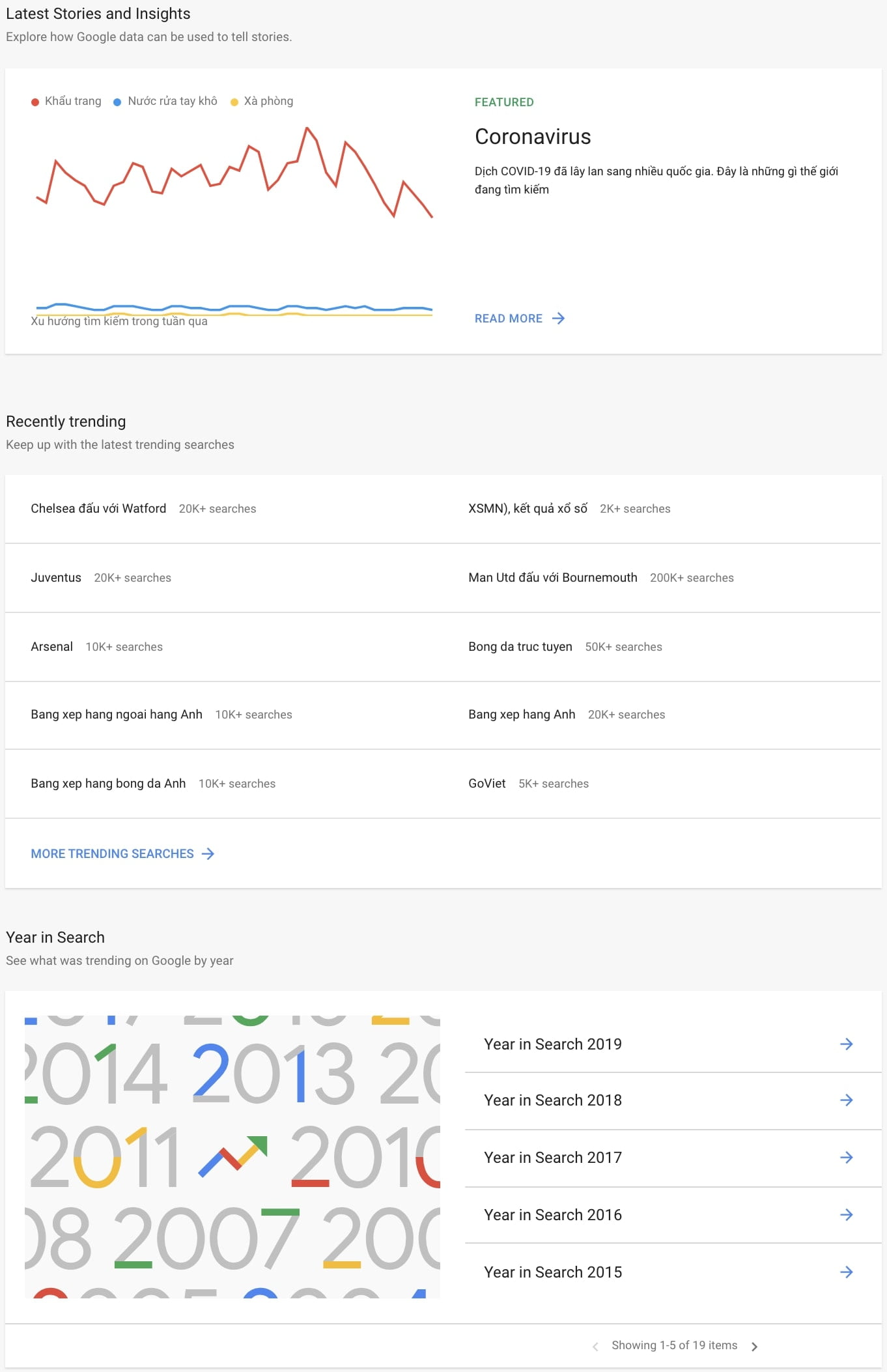
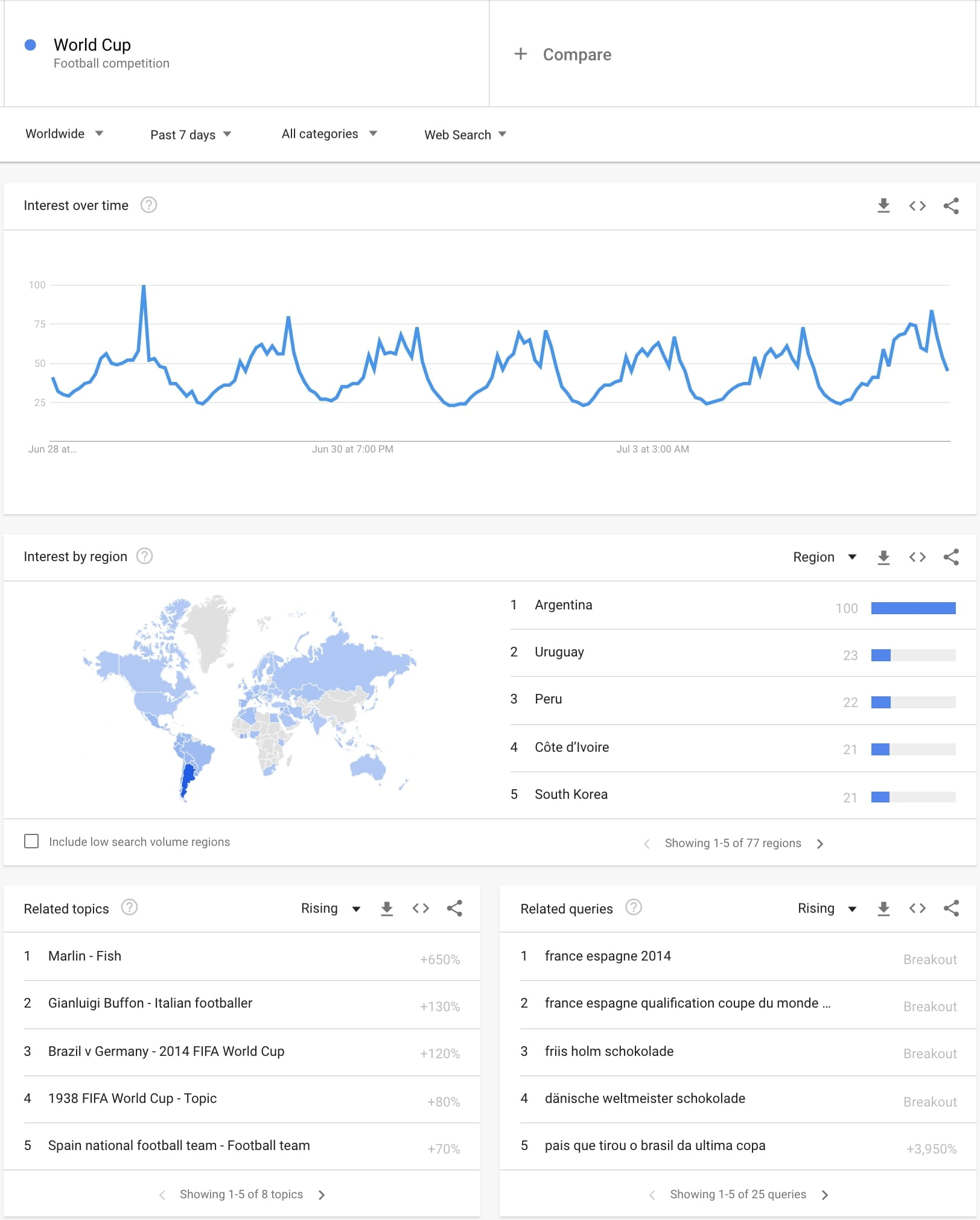
Google Trends is a free Google tool that shows the relative popularity of search terms over time.
Instead of displaying exact search volume, Google Trends visualizes:
• Interest over time
• Search popularity trends
• Regional interest
• Seasonal demand
• Related queries
Users can compare multiple keywords and analyze how search interest changes across countries and time periods.
Google Trends provides extremely valuable insights into real user behavior.
Why Google Trends Matters for SEO
SEO is heavily connected to search demand.
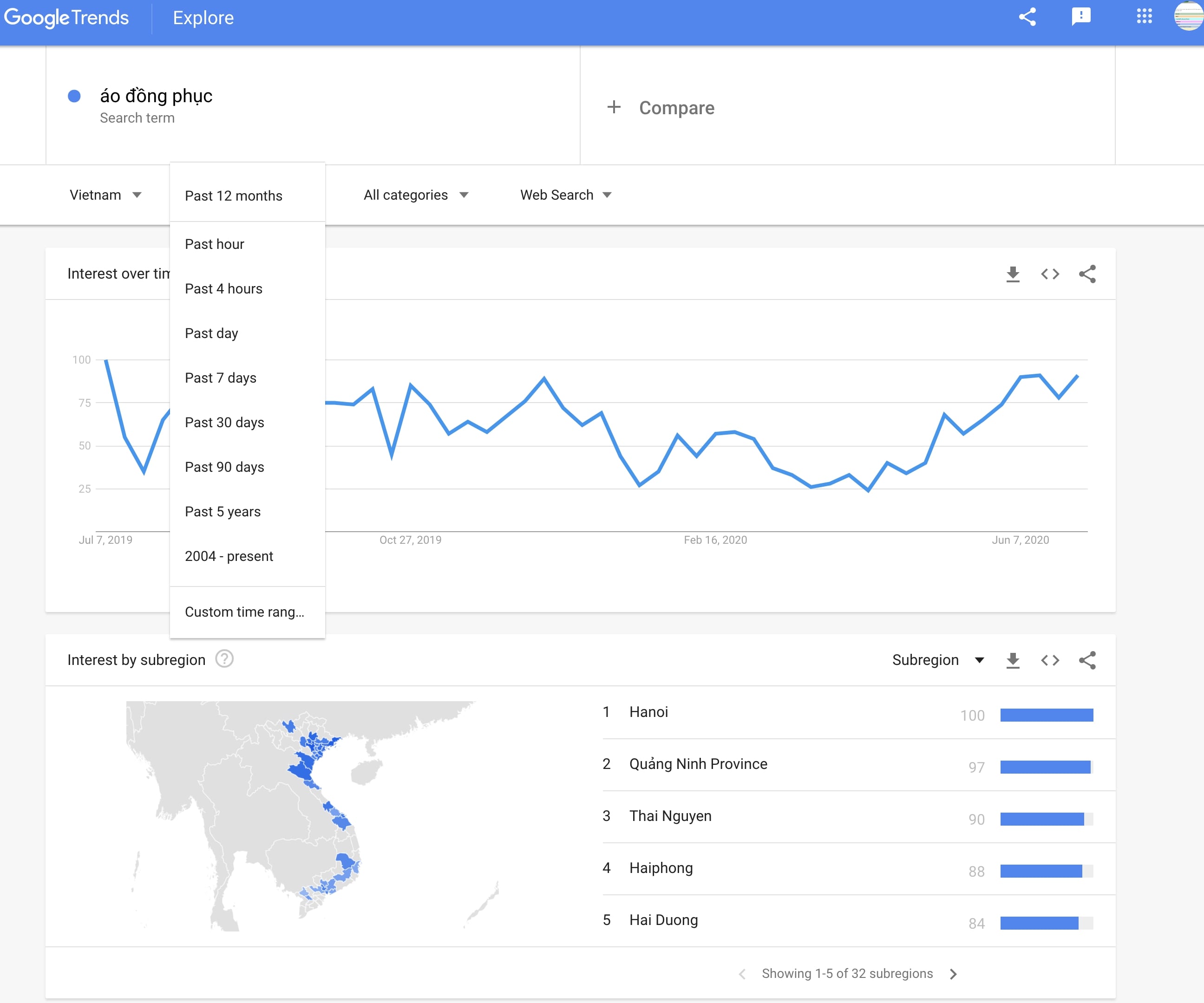
Google Trends helps SEO professionals discover:
• Trending topics
• Seasonal keywords
• Viral search terms
• Regional interests
• Emerging opportunities
This helps marketers create content before competitors.
Why Google Trends Matters for GEO
Modern SEO is no longer only about Google rankings.
AI systems increasingly generate answers based on:
• Trending discussions
• Popular topics
• Fresh information
• User search behavior
This means trend analysis is also becoming important for GEO optimization.
What Is GEO (Generative Engine Optimization)?
GEO stands for Generative Engine Optimization.
GEO is the process of optimizing content so AI systems such as:
• ChatGPT
• Gemini
• Perplexity
• Copilot
can easily:
• Understand content
• Trust information
• Summarize pages
• Cite websites in AI generated answers
Google Trends helps GEO because trending and relevant topics often gain more:
• Visibility
• Mentions
• Links
• AI attention
Websites that publish timely, trend relevant content may gain stronger AI visibility.
How Google Trends Works
Google Trends does not show exact search volume.
Instead, it measures relative search popularity using a scale from:
0 to 100
Where:
• 100 = peak popularity
• 50 = half the relative popularity
• 0 = insufficient data
This means Google Trends helps identify search patterns rather than precise keyword volume.
How to Use Google Trends
Discover Trending Topics
You can explore:
• Daily trends
• Real time search trends
• Regional trends
• Global trends
This is useful for:
• News websites
• Bloggers
• YouTube creators
• Viral marketing campaigns
Analyze Seasonal Keywords
Some keywords become popular only during certain periods.
Examples include:
• Black Friday
• Christmas gifts
• Summer fashion
• World Cup
• Valentine’s Day
Google Trends helps identify these seasonal spikes.
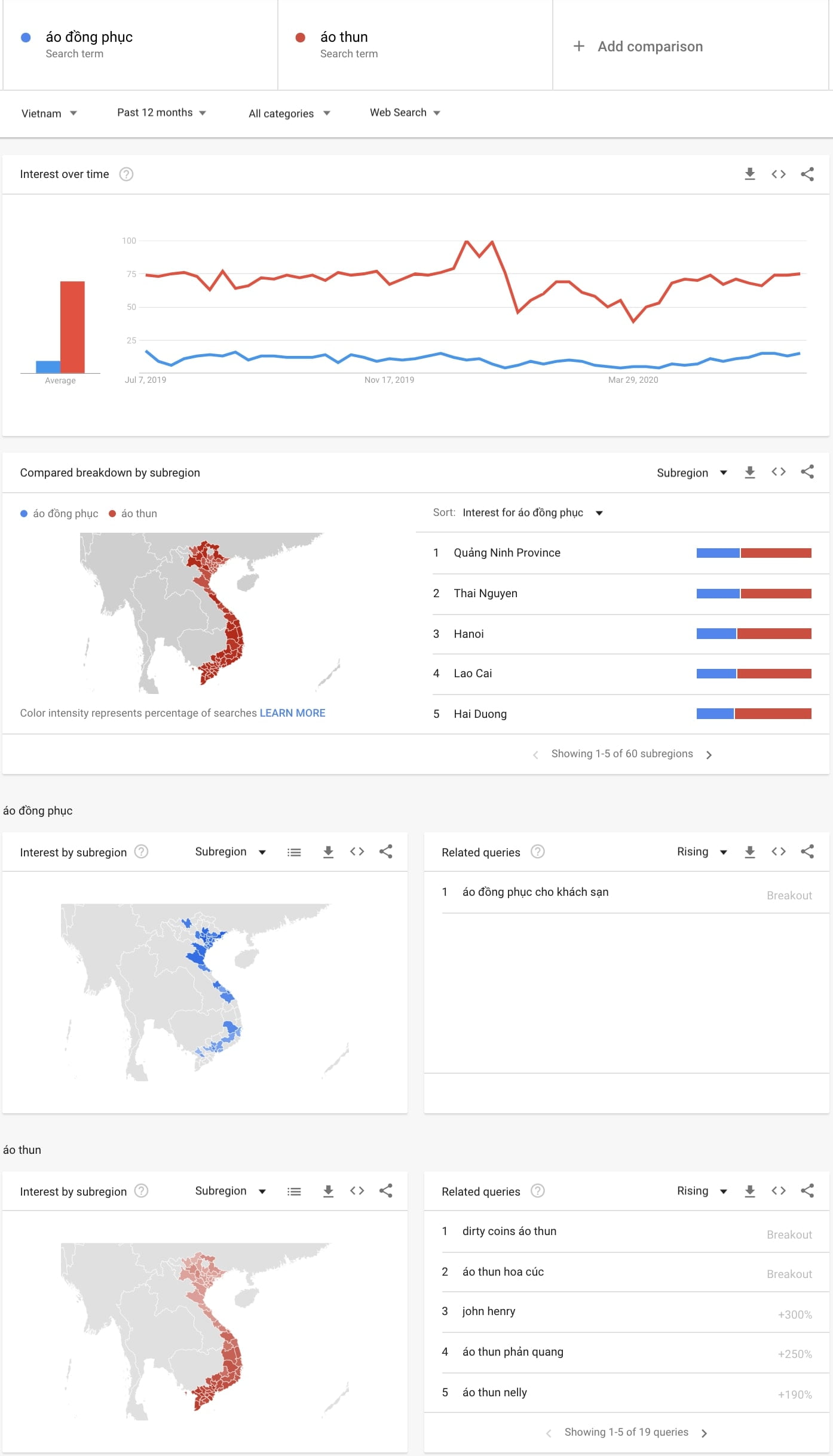
Compare Multiple Keywords
One of the best features of Google Trends is keyword comparison.
For example, you can compare:
• “SEO” vs “GEO”
• “iPhone” vs “Samsung”
• “WordPress” vs “Shopify”
This helps businesses understand relative popularity and market demand.
Analyze Regional Search Interest
Google Trends shows which countries or regions search certain topics most frequently.
This is extremely useful for:
• Local SEO
• Ecommerce targeting
• GEO localization
• International marketing
Regional insights help marketers build geographically optimized strategies.
Google Trends for Keyword Research
Google Trends is often used together with traditional keyword research tools.
The platform helps identify:
• Rising keywords
• Declining trends
• Emerging niches
• Seasonal demand
• User interest changes
However, Google Trends alone has limitations.
Limitations of Google Trends
No Exact Search Volume
Google Trends does not provide exact monthly search numbers.
This makes it difficult to estimate real traffic potential.
Limited Keyword Suggestions
Compared to professional SEO tools, Google Trends provides relatively few keyword suggestions.
Limited Competitive Analysis
Google Trends focuses mainly on popularity trends rather than full SEO analysis.
Best Alternatives to Google Trends
Modern SEO professionals usually combine Google Trends with additional SEO and GEO tools.
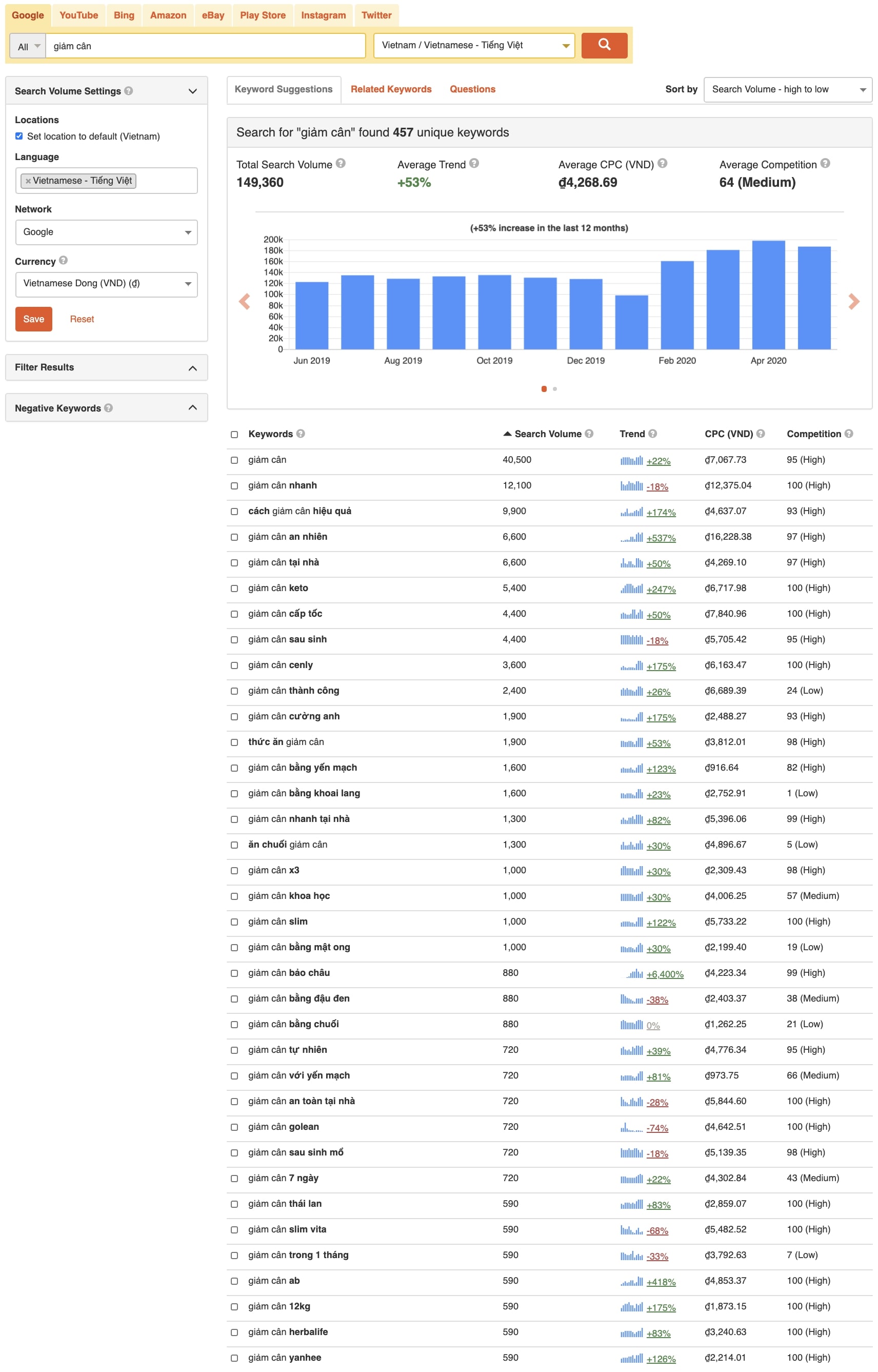
KeywordTool.io
KeywordTool.io helps generate:
• Long tail keywords
• Google autocomplete suggestions
• YouTube keywords
• Question based keywords
Unlike Google Trends, it can generate hundreds or thousands of keyword ideas quickly.
KWFinder
KWFinder focuses heavily on:
• Low competition keywords
• SEO difficulty analysis
• Search volume estimation
This makes it useful for discovering easier ranking opportunities.
Ahrefs
Ahrefs provides:
• Keyword volume
• Competitor analysis
• Organic rankings
• Content gaps
• Backlink data
SEMrush
SEMrush combines:
• Keyword research
• Competitor analysis
• Trend tracking
• PPC insights
• Content marketing tools
GEO and AI Trend Research Tools
Modern SEO now increasingly overlaps with AI optimization.
Several AI focused tools are becoming useful for GEO trend analysis.
Perplexity AI
Perplexity helps SEO professionals analyze:
• AI generated answers
• Trending AI discussions
• Citation sources
• Conversational queries
This is useful for understanding how AI systems interpret trending topics.
AlsoAsked
AlsoAsked visualizes:
• Question relationships
• Conversational search intent
• Follow up queries
AI systems heavily prioritize question based content.
Exploding Topics
Exploding Topics identifies rapidly growing trends before they become mainstream.
This is extremely valuable for:
• Early SEO opportunities
• GEO content strategies
• Trend forecasting
Google Trends for Content Marketing
Content marketers use Google Trends to:
• Discover trending topics
• Identify content opportunities
• Plan editorial calendars
• Analyze audience interest
Trend driven content often generates:
• Higher traffic
• More engagement
• Better social sharing
• Faster backlinks
How to Create GEO Friendly Trend Content
To increase visibility in AI generated answers:
Publish Content Early
AI systems often favor fresh and timely content.
Use Structured Headings
AI systems prefer:
• H1 headings
• H2 sections
• FAQ structures
• Clear formatting
Focus on Search Intent
Modern SEO focuses heavily on:
• Why users search
• User context
• Conversational intent
instead of simply repeating keywords.
Use Semantic SEO
Content should include:
• Related entities
• Contextual relevance
• Topic depth
• Semantic relationships
Add Information Gain
Do not simply repeat trending news.
Add:
• Unique insights
• Expert opinions
• Original analysis
• Case studies
AI systems prefer citing content that adds new value.
How to Get Displayed in AI Search Results
One of the biggest goals of GEO optimization is appearing inside AI generated answers.
To improve AI visibility:
Create Authoritative Content
Build trust through:
• Expertise
• Real experience
• Detailed analysis
Use Structured Content
AI systems summarize structured content more effectively.
Build Topical Authority
Publish multiple articles around related subjects.
Improve Brand Mentions
Strong brands are more likely to appear inside AI generated responses.
Use Schema Markup
Structured data helps AI systems understand:
• Entities
• Organizations
• Authors
• Topics
Google Trends for YouTube SEO
Many YouTubers use Google Trends to identify:
• Viral video topics
• Seasonal content ideas
• Regional demand
• Trending search behavior
This helps improve:
• Video titles
• Video topics
• YouTube SEO strategies
Google Trends also supports YouTube specific trend filtering.
Final Thoughts
Google Trends remains one of the best free tools for discovering search behavior and trending topics in 2026.
Although it does not provide exact keyword volume, it remains extremely valuable for:
• SEO research
• Content marketing
• Trend forecasting
• GEO optimization
• AI search visibility
Modern SEO professionals increasingly combine:
• Google Trends
• Semantic SEO
• GEO optimization
• AI search analysis
• Entity optimization
to create content strategies that perform well in both Google Search and AI powered search systems.
As AI search continues evolving, understanding trends and user behavior will become even more important for future SEO success.