Why Backlinks Are Not Indexed & How to Index Backlinks Faster
Have you ever spent hours building backlinks only to discover that Google never indexed them?
If Google does not index your backlinks, those links may provide little or no SEO value.
This is one of the biggest frustrations many SEO beginners face.
They spend:
• Time
• Money
• Effort
building backlinks, but the links never appear in Google’s index.
In 2026, backlink indexing is still important for SEO, semantic authority, and even GEO optimization for AI powered search systems like ChatGPT, Gemini, Perplexity, and Copilot.
However, modern backlink indexing is no longer simply about forcing Google to crawl spam links.
Today, successful indexing depends heavily on:
• Content quality
• Semantic relevance
• Trust signals
• Crawlability
• Topical authority
• GEO optimization
• AI discoverability
In this guide, you will learn why backlinks are not indexed, how Google indexing works, and how to improve both SEO and GEO visibility naturally.
Why Backlink Indexing Matters
Google uses crawlers and indexing systems to discover and evaluate web pages.
If Google never indexes your backlink pages, those links may not contribute meaningful authority or trust signals.
Indexed backlinks help:
• Improve crawl discovery
• Strengthen semantic authority
• Increase ranking signals
• Improve entity recognition
• Support topical relevance
• Improve GEO trust signals
Indexing is not a one time process.
Google constantly recrawls websites and reevaluates content quality over time.
What Is GEO (Generative Engine Optimization)?
GEO stands for Generative Engine Optimization.
GEO focuses on optimizing websites so AI systems such as:
• ChatGPT
• Gemini
• Perplexity
• Copilot
can easily:
• Understand your content
• Trust your information
• Recognize your brand
• Cite your pages in AI generated answers
Modern SEO now overlaps heavily with GEO.
This means backlinks today may help not only Google rankings but also:
• Brand authority
• AI discoverability
• Entity trust
• AI citation potential
Why Your Backlinks Are Not Indexed
There are many reasons why Google may refuse to index backlinks.
1. Low Quality or Spam Backlinks
Google usually ignores spammy backlinks from:
• Link farms
• Auto generated websites
• Spam directories
• Thin Web 2.0 pages
• Low quality guest posts
Modern Google algorithms are very effective at detecting manipulative link schemes.
If the page itself has little value, Google may simply ignore it completely.
2. Thin Content
Thin content remains one of the biggest indexing problems.
If your backlink page contains:
• Very little text
• Duplicate content
• AI spam
• No real value
Google may decide the page is not worth indexing.
Longer and more useful content usually performs much better.
Many SEO studies show that comprehensive content tends to rank and index more successfully.
3. Duplicate or Plagiarized Content
Google strongly dislikes duplicated content.
If your backlink pages reuse copied articles or spun content, indexing rates may become extremely low.
To improve indexing:
• Create unique articles
• Add semantic depth
• Include original insights
• Use real examples
• Improve readability
Unique content increases both SEO value and GEO trust signals.
4. Poor Crawl Discovery
Sometimes Google simply cannot discover your backlink pages efficiently.
This often happens when pages:
• Have no internal links
• Receive no traffic
• Lack authority
• Exist on inactive websites
Without crawl signals, indexing becomes slower or may never happen.
5. Weak Website Authority
Google prioritizes crawling and indexing stronger websites first.
Backlinks placed on trusted, active, authoritative websites usually index much faster.
How Google Finds and Indexes Backlinks
Google primarily discovers backlinks through:
• Crawling websites
• Following internal links
• XML sitemaps
• Social signals
• External mentions
• Structured data
• High authority pages
The easier your backlink page is to discover, the faster it may be indexed.
How to Get Backlinks Indexed Faster
1. Create Higher Quality Backlink Pages
The best indexing strategy is improving content quality.
Your backlink pages should contain:
• Useful information
• Original content
• Semantic relevance
• Real value for readers
• Good formatting
• Contextual links
Google is much more likely to index pages users may actually find helpful.
2. Build Backlinks on Relevant Websites
Topical relevance matters heavily in modern SEO.
For example:
If your website is about fitness, backlinks from:
• Health blogs
• Nutrition websites
• Workout communities
will perform much better than random unrelated websites.
Relevant backlinks improve:
• Semantic authority
• Entity relationships
• GEO trust signals
3. Use Google Platforms for Faster Discovery
Google owned platforms often get crawled very quickly.
Some SEO professionals use platforms such as:
• Blogger
• Google Sites
• YouTube descriptions
to create crawl paths toward backlink pages.
This may help Google discover links faster.
4. Share Backlink Pages on Social Media
Social signals may help Google discover content more quickly.
Sharing backlink pages on:
• X (Twitter)
• LinkedIn
• Facebook
• Reddit
• Pinterest
can improve:
• Crawl discovery
• Brand mentions
• Traffic signals
• Semantic trust
Social visibility also helps GEO optimization because AI systems increasingly analyze brand presence across platforms.
5. Improve Internal Linking
Strong internal linking helps Google discover pages more efficiently.
If your backlink page is buried with no links pointing to it, indexing may become slow.
Internal links improve:
• Crawlability
• Contextual understanding
• Semantic relationships
6. Use Structured Data
Schema markup helps search engines understand content entities more clearly.
Useful schema types include:
• Article schema
• Organization schema
• Author schema
• FAQ schema
Structured data improves both SEO and GEO readability.
7. Build Brand Mentions
Modern SEO increasingly values:
• Brand mentions
• Entity recognition
• Contextual trust
Even unlinked mentions may help improve AI trust and semantic authority.
8. Use Web 2.0 Platforms Carefully
Some SEO professionals still use Web 2.0 websites such as:
• WordPress.com
• Tumblr
• Blogger
• Wix
• Weebly
However, low quality Web 2.0 spam is heavily ignored today.
If you use Web 2.0 properties:
• Publish useful content
• Write naturally
• Avoid spammy anchors
• Add semantic relevance
• Limit excessive backlinks
Quality matters much more than quantity.
Should You Use Backlink Indexing Tools?
Some SEO professionals use indexing tools such as:
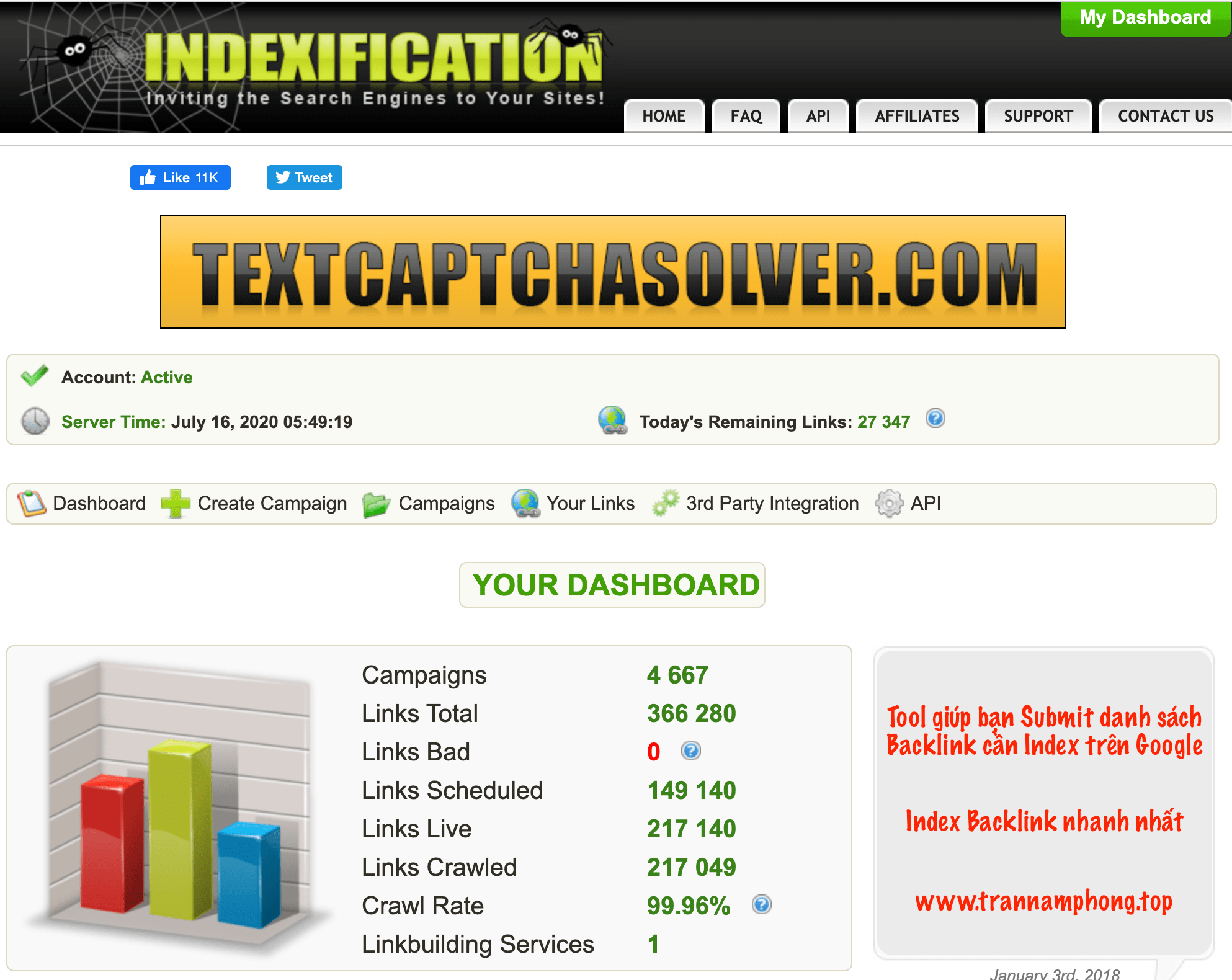
• Indexification
• OneHourIndexing
These tools attempt to accelerate crawl discovery.
However, indexing tools cannot permanently fix poor quality backlinks.
If the content itself lacks value, Google may still refuse to index it.
Modern SEO Focuses More on Trust Than Forced Indexing
In the past, many SEO strategies focused heavily on mass indexing.
Modern SEO has changed significantly.
Today, Google focuses more on:
• Content quality
• Semantic relevance
• User value
• E-E-A-T
• Entity trust
• Topical authority
The best long term strategy is building backlinks naturally through high quality content and authority building.
GEO Optimization and AI Visibility
Modern backlink strategies should also consider GEO optimization.
How AI Systems Evaluate Trust
AI systems increasingly evaluate:
• Brand authority
• Website trust
• Content structure
• Semantic relevance
• Entity relationships
Backlinks help reinforce these trust signals.
How to Improve GEO Visibility
To improve visibility in AI generated answers:
Use Structured Content
AI systems prefer:
• Clear headings
• Lists
• FAQ sections
• Semantic organization
Create Original Information
Use:
• Case studies
• Original research
• Unique perspectives
• Real world examples
AI systems favor information that provides “Information Gain”.
Improve E-E-A-T Signals
Demonstrate:
• Expertise
• Experience
• Authority
• Trustworthiness
These signals improve both SEO and GEO performance.
Patience Still Matters
Sometimes Google simply needs time.
Natural indexing may take:
• Several days
• Weeks
• Longer for weaker websites
Not every backlink must index immediately.
Strong websites with high quality content naturally attract faster crawling over time.
Final Thoughts
Backlink indexing in 2026 is no longer only about forcing Google to crawl pages.
Modern SEO now focuses much more on:
• Content quality
• Semantic authority
• Entity trust
• GEO optimization
• AI visibility
• Topical relevance
The best way to get backlinks indexed faster is building:
• High quality content
• Relevant backlinks
• Trusted websites
• Strong semantic structures
• Real brand authority
As AI search systems continue growing, backlinks increasingly help not only Google rankings but also AI trust, AI discoverability, and GEO optimization for the future of search.