Best SEO & GEO Tools Used by SEO Experts
What are the best SEO tools in May, 2026?
If you are new to SEO, it can feel overwhelming because there are hundreds of SEO tools available today. Some focus on backlinks, others specialize in technical SEO, keyword research, semantic optimization, AI content analysis, or GEO optimization for AI search systems like ChatGPT and Gemini.
The reality is simple:
You do not need every SEO tool.
You only need the tools that fit your workflow, goals, and SEO strategy.
In this guide, we will cover some of the best SEO and GEO tools used by SEO professionals, agencies, affiliate marketers, bloggers, and content creators in 2026.
We will also explore newer GEO optimization and AI visibility tools designed for the future of AI powered search.
What Is GEO (Generative Engine Optimization)?
Before discussing modern SEO tools, it is important to understand GEO.
GEO stands for Generative Engine Optimization.
GEO is the process of optimizing content so AI systems such as:
• ChatGPT
• Gemini
• Perplexity
• Copilot
can easily:
• Understand your content
• Trust your information
• Summarize your pages
• Cite your website in AI generated answers
Unlike traditional SEO, which mainly focuses on Google rankings, GEO focuses on visibility inside AI search systems and AI generated answers.
As AI search grows rapidly, many SEO professionals now optimize for both SEO and GEO simultaneously.
1. Ahrefs
Ahrefs remains one of the most powerful SEO tools available.
Most SEO professionals use Ahrefs for:
• Backlink analysis
• Competitor research
• Keyword research
• Content gap analysis
• Site audits
• Rank tracking
One of Ahrefs’ strongest features is its backlink database, which helps users analyze competitor link profiles and discover new link opportunities.
The Content Explorer tool is also extremely useful for finding:
• Trending topics
• Popular articles
• Link worthy content
• Viral pages
Ahrefs remains one of the most essential tools for serious SEO professionals.
2. Google Search Console
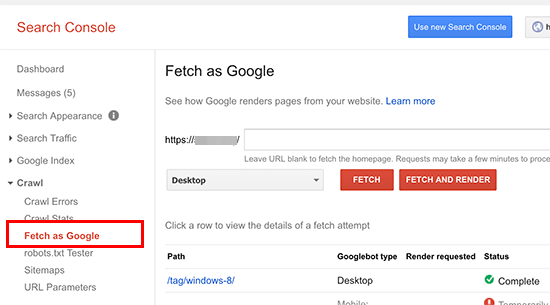
Google Search Console is still one of the most important free SEO tools.
The platform helps website owners monitor how Google sees their websites.
Important features include:
• Search performance reports
• Indexing status
• Sitemap submissions
• Mobile usability reports
• Core Web Vitals
• Crawl error monitoring
• URL inspection tools
Search Console also helps identify:
• Click through rates
• Ranking keywords
• Search impressions
• Indexing issues
Every SEO professional should use Google Search Console.
3. SEMrush
SEMrush is one of the most popular all in one SEO and marketing platforms.
SEO professionals use SEMrush for:
• Competitor analysis
• Keyword research
• Site audits
• Rank tracking
• Content marketing
• Advertising research
• PPC analysis
One of its most valuable features is the Advertising Toolkit, which helps users analyze competitor advertising campaigns including:
• Paid keywords
• CPC estimates
• Traffic estimates
• Ad copy analysis
SEMrush is especially useful for agencies and businesses managing both SEO and paid advertising strategies.
4. KWFinder and KeywordTool.io
KWFinder and KeywordTool.io remain two of the best keyword research tools for discovering:
• Low competition keywords
• Long tail keywords
• Search suggestions
• YouTube keywords
• Question based keywords
SEO professionals use these tools to build:
• Blog content strategies
• Video SEO campaigns
• Ecommerce keyword maps
• Semantic keyword clusters
YouTubers also use these platforms to optimize:
• Video titles
• Video descriptions
• YouTube SEO
Both tools are excellent for discovering user search intent.
5. Moz Pro and MozBar
Moz remains one of the most recognized SEO brands.
Moz Pro provides tools for:
• Keyword research
• Link analysis
• Rank tracking
• Site audits
• SEO reporting
Meanwhile, MozBar is widely used for quickly checking:
• Domain Authority (DA)
• Page Authority (PA)
• Link metrics
• On page SEO factors
Many SEO professionals combine MozBar with SEOquake for quick competitor analysis directly inside the browser.
6. Screaming Frog SEO Spider
Screaming Frog is one of the best technical SEO auditing tools.
The software crawls websites extremely quickly and identifies:
• Broken links
• Duplicate content
• Missing metadata
• Redirect chains
• Crawl issues
• Canonical problems
• Missing alt text
• Technical SEO errors
Screaming Frog is widely used by SEO agencies because it provides deep technical analysis and exports large amounts of SEO data efficiently.
For technical SEO professionals, Screaming Frog is almost essential.
7. CORA SEO Software
CORA is an advanced SEO analysis platform designed for deep ranking factor analysis.
Unlike simpler SEO tools, CORA compares your website against top ranking competitors using hundreds of SEO variables.
The software analyzes:
• On page SEO signals
• Semantic factors
• Keyword distribution
• HTML structure
• Technical elements
• Ranking correlations
CORA is mainly used by advanced SEO specialists because the data can be extremely detailed and technical.
8. SurferSEO
SurferSEO has become extremely popular for semantic SEO optimization.
The platform analyzes top ranking pages and helps users optimize:
• Content structure
• NLP entities
• Keyword coverage
• Semantic relevance
• Heading optimization
• Word count
Many content teams now combine SurferSEO with AI writing tools to improve semantic SEO performance.
SurferSEO is especially useful for content driven SEO campaigns.
9. PageOptimizer Pro (POP)
PageOptimizer Pro is one of the most respected semantic SEO auditing tools.
The platform compares your content against top ranking competitors and provides optimization recommendations based on actual SERP data.
POP analyzes:
• Semantic entities
• NLP optimization
• Heading structure
• Keyword relevance
• Topical depth
• Content coverage
Many SEO professionals prefer PageOptimizer Pro because it focuses heavily on Google ranking patterns and semantic optimization.
10. Frase.io
Frase.io combines AI content research with SEO optimization.
The platform helps users:
• Generate content briefs
• Analyze competitor content
• Build semantic topic coverage
• Optimize question based content
• Create AI assisted drafts
Frase is especially useful for:
• FAQ optimization
• Search intent targeting
• Content planning
• GEO optimization
because AI systems heavily favor structured question and answer content.
11. Clearscope
Clearscope is another advanced semantic SEO optimization platform.
The tool focuses heavily on:
• Content relevance
• Semantic keyword analysis
• NLP optimization
• Content grading
• Topic completeness
Large SEO agencies and enterprise teams often use Clearscope to improve content quality for highly competitive keywords.
12. MarketMuse
MarketMuse uses AI to analyze content quality and topical authority.
The platform helps users:
• Build topic clusters
• Identify content gaps
• Improve semantic depth
• Plan authority strategies
• Optimize content architecture
MarketMuse is especially useful for large websites building long term topical authority.
13. Perplexity AI
Perplexity AI is becoming increasingly important for GEO research.
SEO professionals now use Perplexity to analyze:
• AI generated answers
• Citation sources
• Entity relationships
• AI search behavior
• Content summarization patterns
Because Perplexity cites sources directly, it provides valuable insight into how AI systems select and trust content.
14. AlsoAsked
AlsoAsked helps visualize question based search intent from Google.
The platform is extremely useful for:
• FAQ generation
• Semantic SEO
• GEO optimization
• AI readability
• Search intent mapping
Question based optimization is becoming increasingly important for AI search systems.
15. Schema App and TechnicalSEO.com
Schema markup is now critical for both SEO and GEO.
Tools like Schema App and TechnicalSEO.com help users generate:
• FAQ schema
• Article schema
• Product schema
• Review schema
• Organization schema
• Author schema
Structured data helps both Google and AI systems better understand website entities and relationships.
16. Notion AI and Monica.im
Many SEO professionals now combine AI productivity tools with traditional SEO software.
Notion AI
Used for:
• Content outlines
• Topic clusters
• Editorial workflows
• Semantic planning
Monica.im
Used for:
• Research summaries
• Competitor analysis
• AI assisted writing
• Content expansion
• GEO workflows
These tools help accelerate modern SEO content production.
GEO Optimization Tools for AI Search
Modern SEO now increasingly overlaps with AI optimization.
Popular GEO optimization tools include:
• Perplexity AI
• Frase.io
• Clearscope
• MarketMuse
• PageOptimizer Pro
• SurferSEO
• Schema App
• AlsoAsked
These tools help optimize content for:
• AI readability
• Semantic relevance
• Entity recognition
• Information gain
• Structured data
• AI citation potential
Why SEO Tools Alone Are Not Enough
SEO tools are extremely useful, but they do not replace strategy and expertise.
SEO success still requires:
• High quality content
• Semantic relevance
• Technical optimization
• User experience
• Consistency
• Real expertise
• Strong topical authority
Tools should be treated as assistants, not automatic ranking systems.
Final Thoughts
SEO has evolved into a highly technical and competitive industry.
Today’s SEO professionals combine:
• Technical SEO
• Semantic SEO
• GEO optimization
• AI search visibility
• Content strategy
• Entity optimization
to improve both Google rankings and AI visibility.
The best SEO tools in 2026 are not necessarily the most expensive tools. The best tools are the ones that fit your workflow and help you consistently improve your website.
As AI search systems continue growing, GEO optimization tools are becoming just as important as traditional SEO platforms for the future of digital visibility.