What Are Backlinks? SEO Link Building & GEO Guide
Backlinks, also known as inbound links or incoming links, are links from one website pointing to another website.
When Website A links to Website B, Google and other search engines treat that link as a signal of trust, authority, and relevance.
For many years, backlinks were considered one of the strongest ranking factors in SEO. Websites with more high quality backlinks often ranked higher in Google search results.
Today, backlinks still matter, but modern SEO has evolved significantly.
In 2026, backlinks are no longer only about Google rankings. They also influence:
• Brand authority
• Semantic trust
• Entity recognition
• GEO optimization
• AI search visibility
• AI citation trustworthiness
As AI systems such as ChatGPT, Gemini, Perplexity, and Copilot continue growing, backlinks and brand mentions are increasingly important for helping AI systems trust and reference websites.
What Is a Backlink?
A backlink is simply a link from one website to another.
Example:
If a technology blog links to your website, that link becomes a backlink pointing to your domain.
Search engines treat backlinks as signals that:
• Your content has value
• Your website is trustworthy
• Other websites recommend your information
However, not all backlinks are equal.
A single backlink from a highly authoritative website may be far more valuable than thousands of low quality backlinks.
Important Backlink Terms You Should Know
Link Juice
When Website A links to Website B, authority and ranking signals can flow through the link.
This is commonly called “Link Juice”.
High authority backlinks can help pages rank higher in search results.
NoFollow Links
A NoFollow link tells search engines not to pass ranking authority through the link.
These links are often used for:
• Sponsored content
• User generated content
• Untrusted websites
NoFollow links may still provide:
• Referral traffic
• Brand visibility
• Entity recognition
• GEO trust signals
DoFollow Links
By default, most standard links are DoFollow links.
These links can pass authority and ranking signals.
Referring Domains
Referring domains represent the number of unique websites linking to your website.
For example:
• 10 links from one website = 1 referring domain
• 10 links from 10 websites = 10 referring domains
In most cases, more unique referring domains are better than many repeated links from the same website.
Internal Links
Internal links connect pages within the same website.
Strong internal linking helps:
• SEO
• User navigation
• Semantic structure
• AI readability
• Topic clustering
Anchor Text
Anchor text is the clickable text inside a hyperlink.
Example:
“Best SEO Tools”
Modern SEO requires anchor text diversification to avoid spam signals.
Why Backlinks Still Matter in 2026
Some people claim backlinks no longer matter.
That is incorrect.
Backlinks still remain one of the strongest trust signals in search engines.
However, Google today focuses much more on:
• Link quality
• Relevance
• Semantic relationships
• Brand authority
• Contextual trust
This is why some websites rank well with relatively few backlinks while other websites with thousands of spam links struggle.
What Makes a High Quality Backlink?
Not all backlinks provide equal value.
One high quality backlink can outperform thousands of spammy backlinks.
Backlinks from Authoritative Websites
Links from trusted websites are extremely valuable.
Examples include:
• Government websites
• University websites
• Industry leaders
• Large media websites
• Well known brands
These websites already have strong trust and authority signals.
Relevant Backlinks
Google prefers backlinks from websites related to your topic.
For example:
If your website is about fitness, backlinks from:
• Health websites
• Nutrition blogs
• Workout websites
are much more valuable than unrelated links from:
• Fishing blogs
• Gambling sites
• Random forums
Contextual relevance matters heavily in modern SEO.
Contextual Links
Backlinks placed naturally inside relevant content are generally stronger than:
• Footer links
• Sidebar links
• Random directories
Google increasingly analyzes contextual relationships between content topics.
What Is GEO (Generative Engine Optimization)?
GEO stands for Generative Engine Optimization.
GEO focuses on optimizing websites for AI search systems such as:
• ChatGPT
• Gemini
• Perplexity
• Copilot
Instead of only ranking in Google search results, GEO aims to help websites become trusted AI citation sources.
Why Backlinks Matter for GEO
AI systems increasingly rely on trust signals when selecting sources.
Backlinks and brand mentions help AI systems determine:
• Which websites are trusted
• Which brands are authoritative
• Which content deserves citations
• Which entities are reliable
In many cases, backlinks now contribute not only to SEO rankings but also to AI trust and AI visibility.
How to Get Mentioned by AI Systems
To increase visibility in AI generated answers, websites should combine:
• High quality backlinks
• Semantic SEO
• Structured content
• E-E-A-T optimization
• Entity SEO
• Information Gain
• Strong brand mentions
AI systems prefer websites that demonstrate:
• Expertise
• Trustworthiness
• Real world authority
• Unique information
Build Brand Mentions, Not Only Links
Modern SEO increasingly values:
• Brand mentions
• Entity recognition
• Contextual authority
Even unlinked brand mentions may help improve AI recognition and semantic trust.
This is why many SEO professionals now focus on:
• Digital PR
• Brand authority
• Topical authority
• Content marketing
instead of only traditional link building.
Link Building Strategies That Still Work
Guest Posting
Writing articles for relevant websites remains one of the most effective backlink strategies.
Good guest posting should focus on:
• Relevant industries
• High quality content
• Real value
• Natural contextual links
Popular guest posting platforms include:
• Medium
• LinkedIn Articles
• Industry blogs
Guest posting also helps increase brand visibility and AI discoverability.
Create Linkable Assets
One of the best ways to earn backlinks naturally is creating content people want to reference.
Examples include:
• Research studies
• Infographics
• SEO tools
• Free software
• Surveys
• Statistics pages
• Ultimate guides
These “linkable assets” naturally attract backlinks over time.
Analyze Competitor Backlinks
SEO professionals often analyze competitor backlinks using tools such as:
• Ahrefs
• SEMrush
• Moz Pro
This helps discover:
• Link opportunities
• Industry websites
• Outreach targets
• Content gaps
Competitor backlink analysis remains one of the fastest ways to discover new SEO opportunities.
Use Social Media and Web 2.0 Platforms
Social media links may not always pass traditional ranking authority, but they still help with:
• Brand awareness
• Entity recognition
• Content distribution
• GEO visibility
Platforms such as:
• LinkedIn
• Medium
• YouTube
• Reddit
• X (Twitter)
can help increase visibility for both search engines and AI systems.
Reuse and Repurpose Content
Content repurposing helps increase backlink opportunities.
You can convert content into:
• Infographics
• Videos
• PDFs
• Slides
• Short form content
Then distribute it across:
• YouTube
• Pinterest
• SlideShare
• Document sharing websites
• Social platforms
This helps generate additional traffic, mentions, and backlinks.
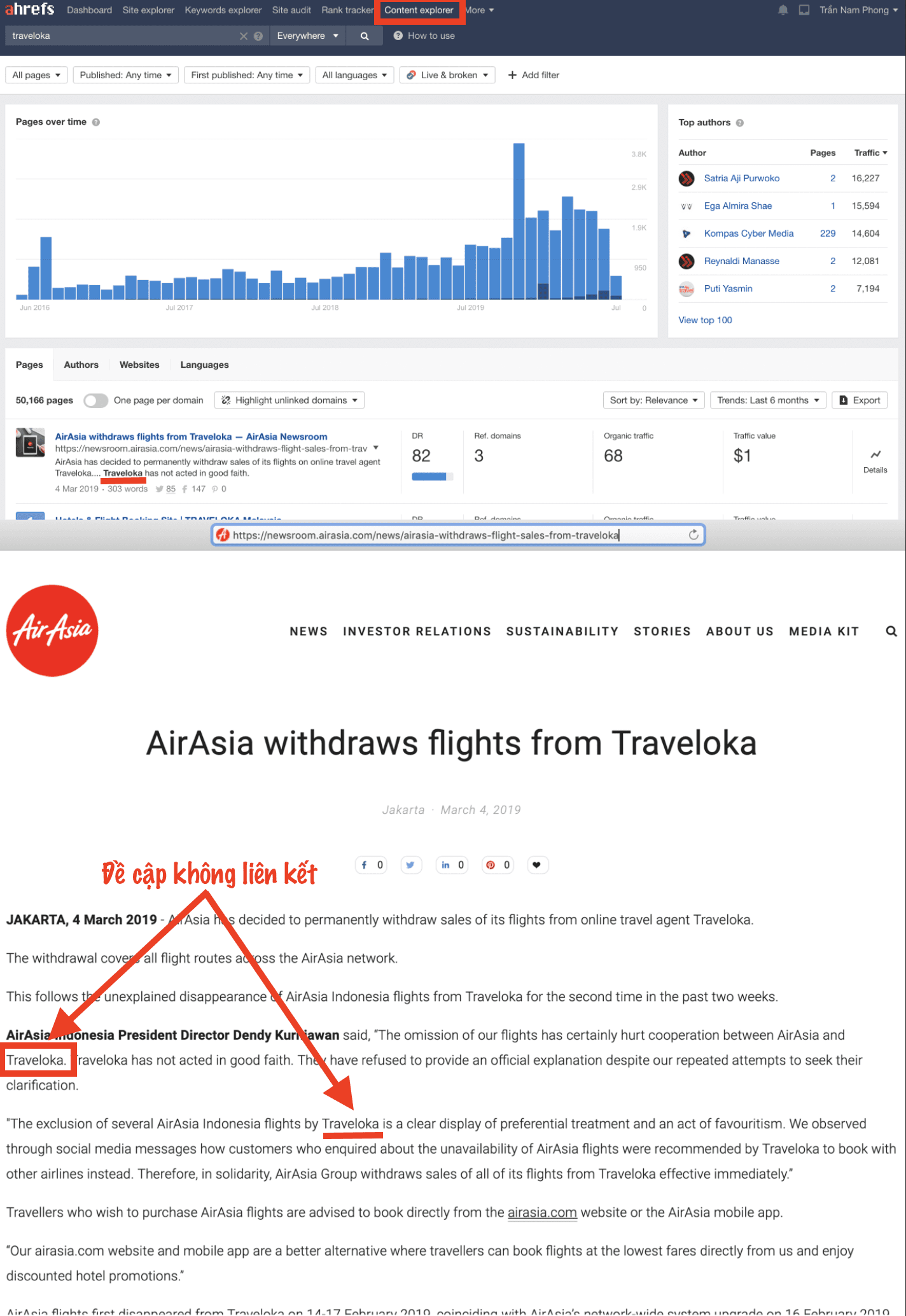
Find Unlinked Brand Mentions
Sometimes websites mention your brand without linking to you.
These are called unlinked brand mentions.
SEO professionals use tools such as:
• Ahrefs Content Explorer
• Google Alerts
• Brand monitoring tools
to discover these mentions and request backlinks.
Even without links, brand mentions may still help semantic SEO and GEO authority.
Avoid Low Quality Backlinks
Low quality backlinks can still damage SEO performance.
Examples include:
• Spam websites
• Automated backlinks
• Link farms
• Adult websites
• Malware websites
• Irrelevant directories
Google’s algorithms are increasingly effective at identifying manipulative link building.
Semantic SEO and Backlinks
Modern SEO now heavily focuses on semantic relationships between entities and topics.
This means backlinks work best when they are:
• Contextually relevant
• Topically aligned
• Semantically related
A contextual backlink from a highly relevant website is much stronger than random unrelated backlinks.
GEO Optimization Techniques for AI Visibility
To improve visibility inside AI generated answers, websites should also optimize for GEO.
Important GEO optimization techniques include:
Use E-E-A-T Signals
Content should demonstrate:
• Real expertise
• Practical experience
• Author transparency
• Trustworthiness
Create AI Friendly Content Structure
Use:
• H1, H2, H3 headings
• Short paragraphs
• FAQ sections
• Structured formatting
This helps AI systems summarize content more effectively.
Add Schema Markup
Schema markup helps AI systems understand:
• Authors
• Organizations
• Products
• Reviews
• FAQs
• Entities
Structured data improves AI readability and semantic understanding.
Use Information Gain
Do not simply rewrite competitor content.
Add:
• Unique data
• Case studies
• Original insights
• New perspectives
AI systems prefer citing content with unique informational value.
Final Thoughts
Backlinks remain one of the most important parts of SEO in 2026.
However, modern link building is no longer only about increasing rankings.
Today, backlinks also help improve:
• Brand authority
• Semantic trust
• Entity recognition
• GEO optimization
• AI visibility
The future of SEO is shifting toward trust, topical authority, semantic relevance, and AI discoverability.
Websites that combine:
• High quality backlinks
• Strong semantic SEO
• GEO optimization
• Helpful content
• Brand authority
will have the best chance of succeeding in both Google Search and AI powered search systems.