Keyword Research for SEO & GEO
Although Google continues updating its algorithms every year, one thing remains extremely important in SEO:
Keyword research.
Whether you are building a blog, ecommerce website, affiliate site, local business, or AI optimized content strategy, keyword research remains the foundation of successful SEO.
However, keyword research in 2026 is no longer only about finding keywords with high search volume.
Modern SEO now focuses on:
• Search intent
• Semantic SEO
• Entity optimization
• GEO optimization
• AI search visibility
• Information gain
• User context
In this guide, you will learn how professional SEO specialists perform keyword research for both traditional SEO and modern GEO optimization for AI search systems like ChatGPT, Gemini, Perplexity, and Copilot.
What Is Keyword Research?
Keyword research is the process of discovering and analyzing the real search terms people enter into search engines.
The goal is to understand:
• What users search for
• How often they search
• Why they search
• What intent exists behind searches
• How competitive the keywords are
Good keyword research helps businesses build better:
• Content strategies
• SEO campaigns
• Semantic topic clusters
• GEO optimization workflows
• AI search visibility
Keyword research is not simply about keywords anymore. It is about understanding human intent and search behavior.
Why Keyword Research Still Matters
Some people incorrectly believe keywords no longer matter because Google has become smarter.
This is only partially true.
Google now understands:
• Context
• Semantic meaning
• User intent
• Entities
• Relationships between topics
However, keyword research still matters because it reveals:
• What people care about
• What problems users want solved
• Which topics are trending
• What search demand exists
Keywords help SEO professionals organize content into topical clusters and semantic structures.
Search Intent Is More Important Than Exact Keywords
Modern SEO focuses heavily on search intent.
Search intent means understanding what users actually want when searching.
For example, someone searching:
“how to lose weight”
could mean:
• Diet advice
• Exercise programs
• Weight loss supplements
• Medical conditions
• Meal plans
This is why SEO professionals must carefully analyze search intent before creating content.
Google increasingly ranks pages that solve user problems rather than pages simply repeating keywords.
What Is GEO (Generative Engine Optimization)?
GEO stands for Generative Engine Optimization.
GEO is the process of optimizing content so AI systems such as:
• ChatGPT
• Gemini
• Perplexity
• Copilot
can easily:
• Understand content
• Trust information
• Summarize pages
• Cite websites in AI generated answers
Modern keyword research now includes GEO optimization because AI systems increasingly influence online discovery.
GEO Changes Keyword Research
Traditional keyword research focused mainly on:
• Search volume
• CPC
• Ranking difficulty
• Backlinks
Modern GEO focused keyword research also considers:
• Question based searches
• Conversational intent
• Semantic entities
• AI summarization patterns
• Information gain
• Topic relationships
This means SEO professionals now optimize content not only for Google rankings but also for AI generated search experiences.
Step 1: Create Topic Clusters
The first step in keyword research is identifying broad topic groups relevant to your business.
Instead of immediately targeting random keywords, SEO professionals organize content into semantic topic clusters.
For example, a weight loss website may create topic groups such as:
• Weight loss diets
• Exercise programs
• Keto diet
• Fat burning
• Belly fat
• Meal plans
• Supplements
These broad categories help structure future content strategies.
Step 2: Expand Keywords Inside Each Topic
After identifying broad topics, the next step is discovering specific keyword opportunities.
For example, inside the topic:
“Weight loss diets”
you may discover keywords such as:
• keto diet plan
• 7 day weight loss diet
• clean eating meal plan
• calorie deficit meals
• intermittent fasting
At this stage, the goal is collecting keyword ideas rather than filtering aggressively.
Step 3: Use Keyword Research Tools
Modern SEO professionals use many tools to discover keywords, search intent, and semantic relationships.
Best Traditional Keyword Research Tools
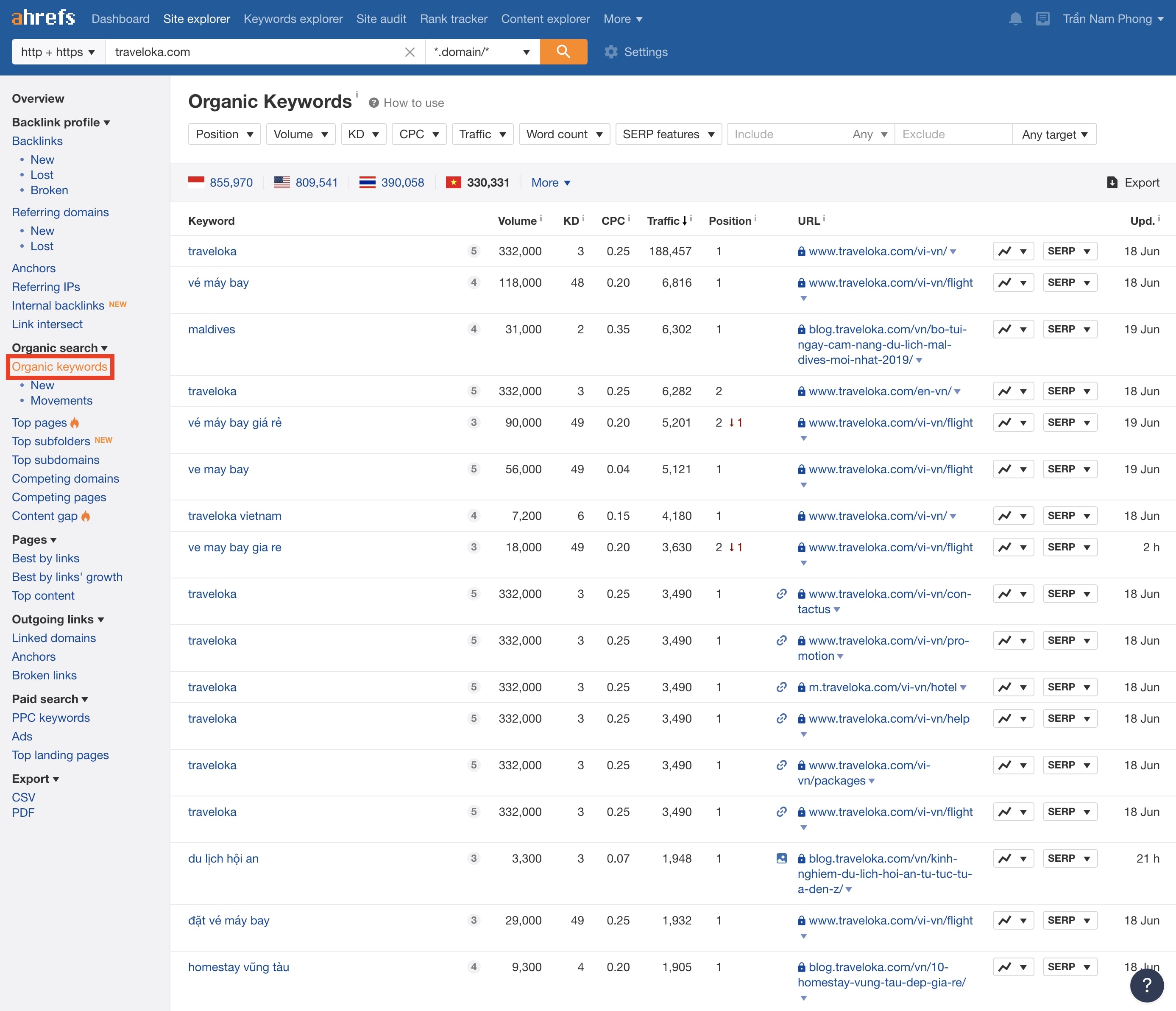
Ahrefs
Excellent for:
• Competitor keyword analysis
• Organic keyword discovery
• Traffic estimation
• SERP analysis
SEMrush
Popular for:
• Keyword research
• Competitor analysis
• PPC data
• Topic research
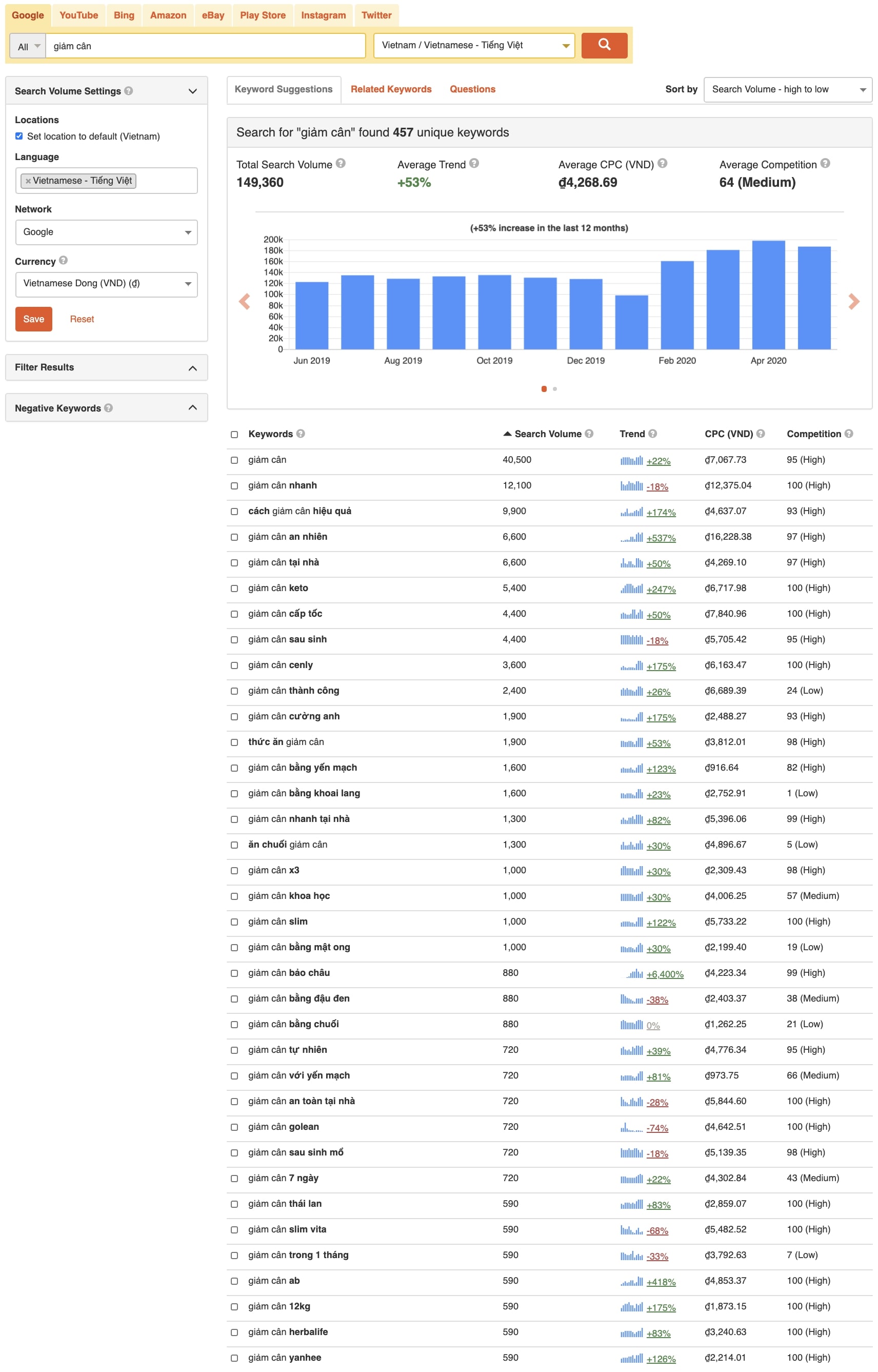
KeywordTool.io
Useful for:
• Google autocomplete keywords
• Long tail keyword discovery
• YouTube SEO
• Question based keywords
KWFinder
Great for:
• Low competition keywords
• Long tail SEO opportunities
• SERP difficulty analysis
GEO and AI Keyword Research Tools
Modern SEO increasingly overlaps with AI optimization.
Several newer tools help optimize content for GEO and AI search systems.
Perplexity AI
Perplexity helps SEO professionals analyze:
• AI generated answers
• Citation patterns
• AI trusted sources
• Conversational search intent
• Entity relationships
This is extremely useful for GEO optimization.
AlsoAsked
AlsoAsked visualizes:
• Related questions
• Search intent trees
• User follow up questions
This is important because AI systems heavily prioritize conversational search patterns.
Frase.io
Frase helps optimize:
• Question based content
• AI readable structures
• Semantic topic coverage
• FAQ optimization
Frase is excellent for GEO focused content creation.
Clearscope
Clearscope focuses heavily on:
• Semantic SEO
• NLP optimization
• Topic completeness
• Content relevance
This helps improve AI readability and semantic depth.
MarketMuse
MarketMuse uses AI to analyze:
• Topic authority
• Content gaps
• Semantic structures
• Entity relationships
This helps websites build stronger topical authority.
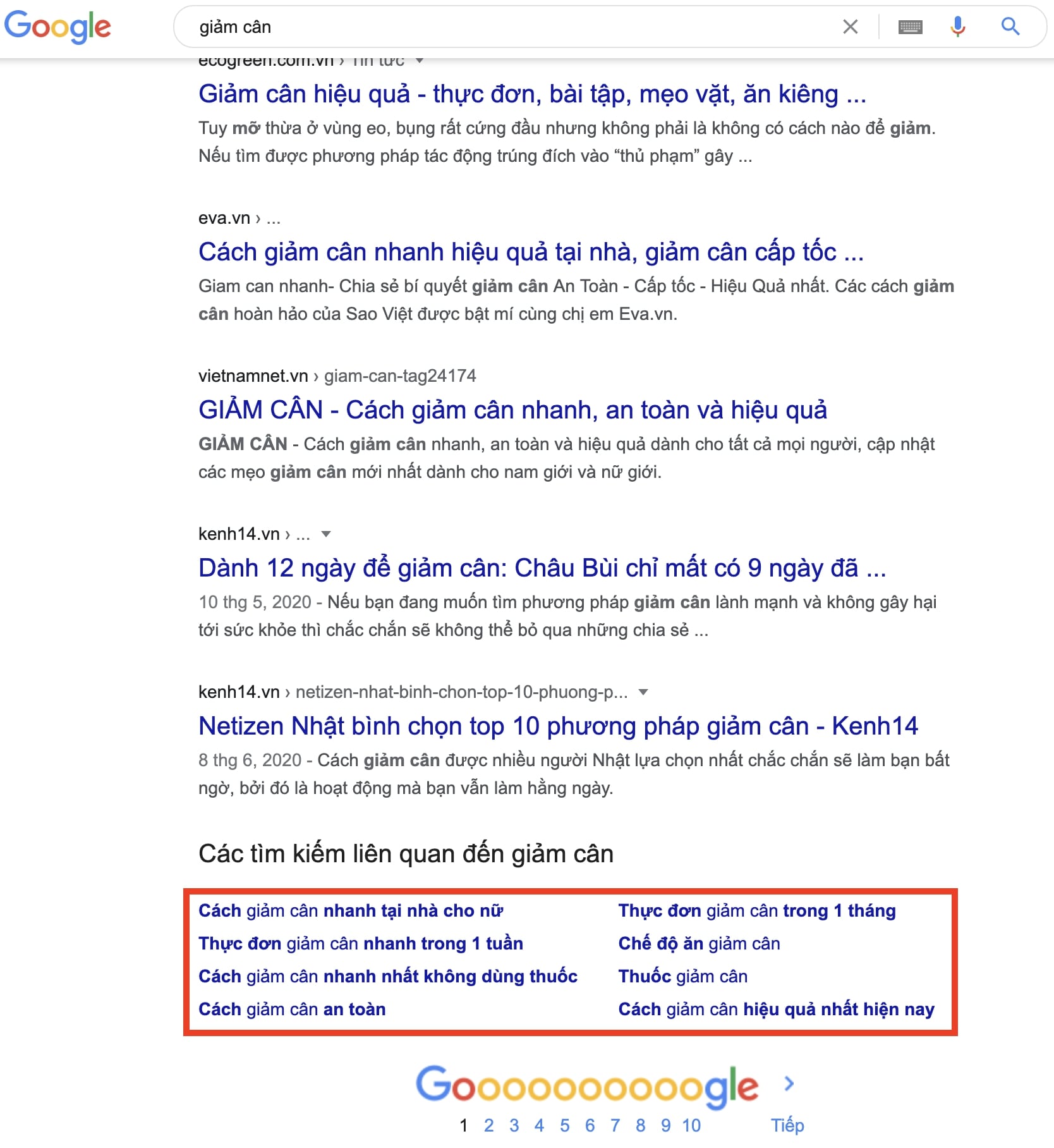
Step 4: Analyze Related Searches
One of the easiest ways to discover additional keyword opportunities is analyzing:
• Google related searches
• People Also Ask results
• Autocomplete suggestions
• AI generated follow up questions
These areas reveal how real users search and how topics connect semantically.
Step 5: Use Both Short and Long Tail Keywords
A strong SEO strategy includes both:
• Short keywords
• Long tail keywords
Short Keywords
Examples:
• weight loss
• SEO tools
• protein powder
Advantages:
• Higher search volume
• Larger traffic potential
Disadvantages:
• Extremely competitive
• Lower conversion intent
Long Tail Keywords
Examples:
• best keto diet for beginners
• SEO tools for local businesses
• protein powder for weight loss women
Advantages:
• Lower competition
• Better conversion rates
• Stronger search intent
• Easier GEO optimization
Long tail keywords are extremely important for both SEO and GEO strategies.
Step 6: Analyze Competitor Keywords
Competitor analysis remains one of the fastest ways to discover ranking opportunities.
SEO professionals use tools like:
• Ahrefs
• SEMrush
• Moz Pro
to identify:
• Competitor keywords
• Top ranking pages
• Content gaps
• Traffic opportunities
This helps uncover keywords already driving traffic inside your niche.
Step 7: Use Google Trends
Google Trends helps analyze:
• Seasonal trends
• Regional search demand
• Search growth patterns
• Emerging topics
Sometimes keywords with low current search volume may become highly popular later.
Google Trends is extremely useful for:
• Trend forecasting
• Viral topic discovery
• Seasonal SEO campaigns
Step 8: Optimize for Semantic SEO
Modern search engines understand semantic relationships between topics.
Semantic SEO focuses on:
• Entities
• Context
• Topic depth
• Related concepts
• NLP relevance
This means keyword research should focus on complete topical coverage rather than isolated keywords.
Step 9: Optimize for GEO and AI Search
Modern SEO professionals now optimize content for AI systems directly.
Important GEO optimization strategies include:
• Question based headings
• FAQ sections
• Structured content
• Schema markup
• Entity optimization
• Information Gain
• E-E-A-T signals
These factors improve the chances of AI systems citing your content.
Information Gain and GEO Optimization
One of the most important GEO concepts is Information Gain.
Do not simply rewrite competitor articles.
Instead, add:
• Unique data
• Original research
• Case studies
• New perspectives
• Practical experience
AI systems prefer citing content that provides original value.
Best GEO Optimization Tools
SEO professionals increasingly use GEO focused tools such as:
• Perplexity AI
• Frase.io
• Clearscope
• MarketMuse
• PageOptimizer Pro
• SurferSEO
• Schema App
• AlsoAsked
These tools help improve:
• Semantic relevance
• AI readability
• Structured content
• NLP optimization
• Entity recognition
Keyword Research Is Ongoing
Keyword research is never fully complete.
SEO professionals constantly:
• Monitor rankings
• Update content
• Discover new topics
• Expand semantic coverage
• Optimize for AI search trends
As websites gain authority, they can target increasingly competitive keywords.
Final Thoughts
Keyword research remains one of the most important parts of SEO in 2026.
However, modern keyword research now goes far beyond simple keyword volume analysis.
Today’s SEO professionals combine:
• Traditional SEO
• Semantic SEO
• GEO optimization
• AI search analysis
• Entity optimization
• Search intent research
to create content that performs well in both Google Search and AI powered search systems.
The future of SEO belongs to websites that not only rank on Google but also become trusted sources for AI generated answers.